Lyme / Chronic Infections
LYME & CHRONIC INFECTIONS
The test came back negative. That does not mean the infection is gone.
Bone-deep fatigue, migrating joint pain, brain fog, and flares that come and go, often years after a tick bite or a bad virus you thought you recovered from. Chronic infections are among the most under-recognized drivers of long-term illness, partly because the standard tests miss them so often.
![Lyme[1]](https://richmondfunctionalmedicine.com/nitropack_static/xNLQmUzoNXRSWtSvrhPYiVOjNoZsrmiM/assets/images/optimized/rev-426cba3/richmondfunctionalmedicine.com/wp-content/uploads/2026/08/Lyme1.png "Lyme[1]")
Start here
Start with how a persistent infection keeps the immune system switched on, and why it so often hides underneath a mystery-illness picture. This is the path from a confusing set of symptoms to a cause worth testing for.
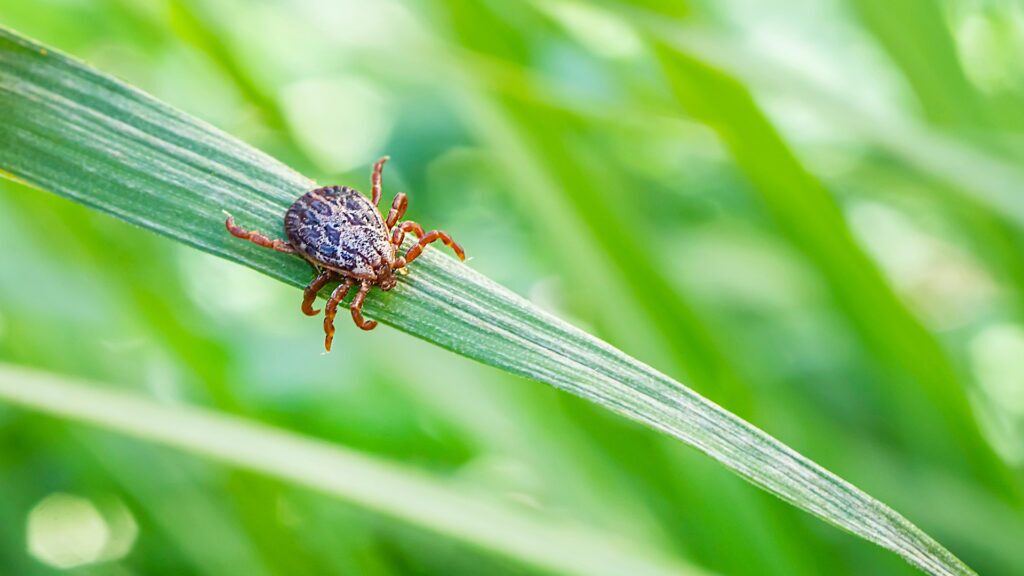
Demystifying Lyme Disease
The number of Lyme disease cases in the US is greater than breast cancer, yet its still...
What chronic infections actually do
Some infections are cleared and done. Others persist at a low level or go dormant and reactivate, and a few, like the bacteria behind Lyme, are notoriously hard both to detect and to fully clear. When an infection lingers, the immune system stays switched on, which drives chronic inflammation.
That low, constant activation can set off the rest of the cluster: mast cell activation, autoimmune reactions through molecular mimicry, and dysautonomia. It is a big reason chronic infection so often hides underneath a mystery-illness picture. The work is identifying what is actually there, which standard testing frequently misses, then supporting the body to clear it and calm the immune response.
Symptoms patients bring us
- Bone-deep fatigue
- Migrating joint or muscle pain
- Brain fog
- Night sweats
- Recurrent flu-like feeling
- Headaches
- Mood changes
- Symptoms that come and go
Half
of people later found to have Lyme had a negative initial screening test. The standard panel is built on one strain of the bacterium, and 30 to 40 others can cause the disease.
Everything else on Lyme & chronic infections
Browse our library of articles on Lyme, chronic infections, and everything connected to them.

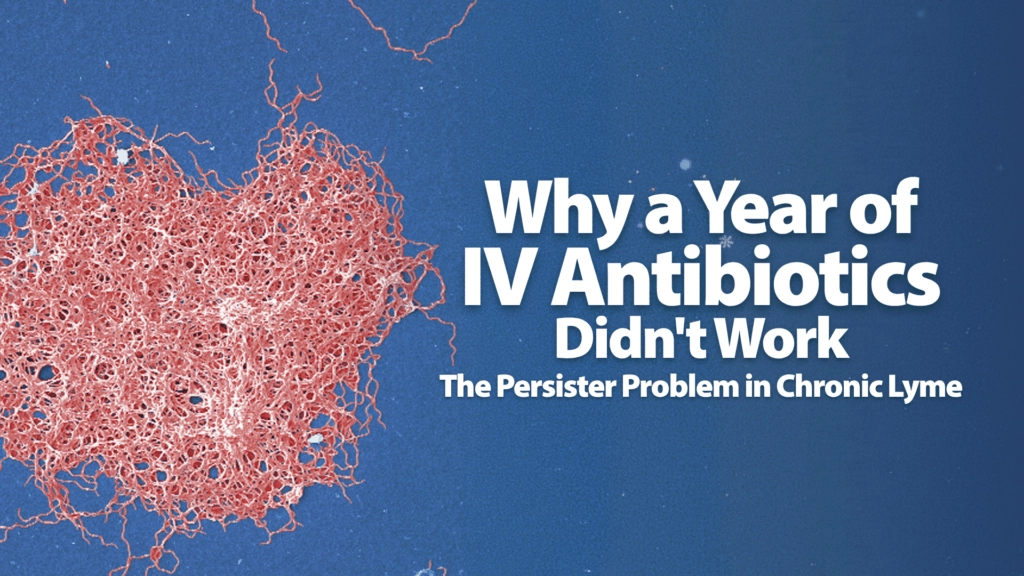
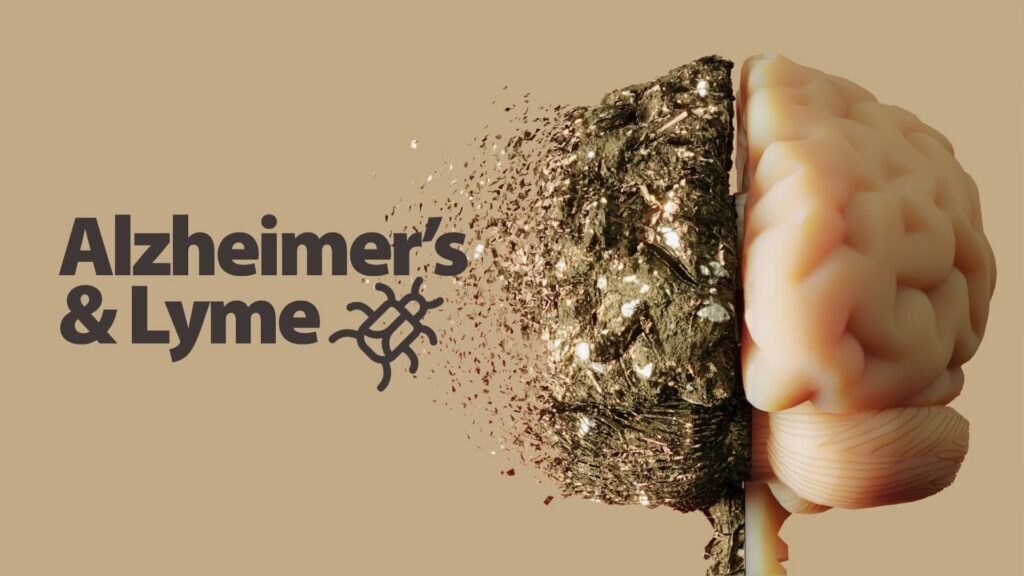











Want to know how we look for the trigger?
The Foundations of Functional Medicine
The Foundations of Functional Medicine is a free micro course on the root-cause approach: the gut barrier, the chronic infections, the exposures, and the questions standard care skips.