
Peptides & Biological Signaling | Part 2
Your Body Has Been Making Peptides Since Before You Were Born
The Cultural Story Around Peptides Got the Science Backwards

Aaron Hartman MD
June 3, 2026
Subscribe
Never miss out on new content from Dr. Hartman.
Your body doesn’t encounter peptides as foreign compounds. It depends on them as communication infrastructure. It’s been doing so your entire life, whether you knew it or not.

If you’re like most, your first encounter with the word “peptides” probably happened in a bodybuilding forum, an anti-aging influencer’s feed, a social media post about someone’s optimization stack. That first impression coded these molecules as enhancement technology before the underlying biology ever got a chance to speak for itself.
I’ve been working with peptides clinically since 2006. Twenty years now, initially in the military, later building a practice around some of the most complex, treatment-resistant patients in functional medicine. In that time, I’ve watched peptides migrate from niche clinical tools into a full-scale cultural controversy. What I’ve rarely seen, in any of that noise, is a clear explanation of what they actually are.
Peptides Are Amino Acid Chains. And You Already Know Several of Them.
A peptide is a chain of amino acids. That’s the whole definition. Chain them together in a sequence and you get a molecule that can carry a biological signal.
You almost certainly already have peptides in your kitchen.

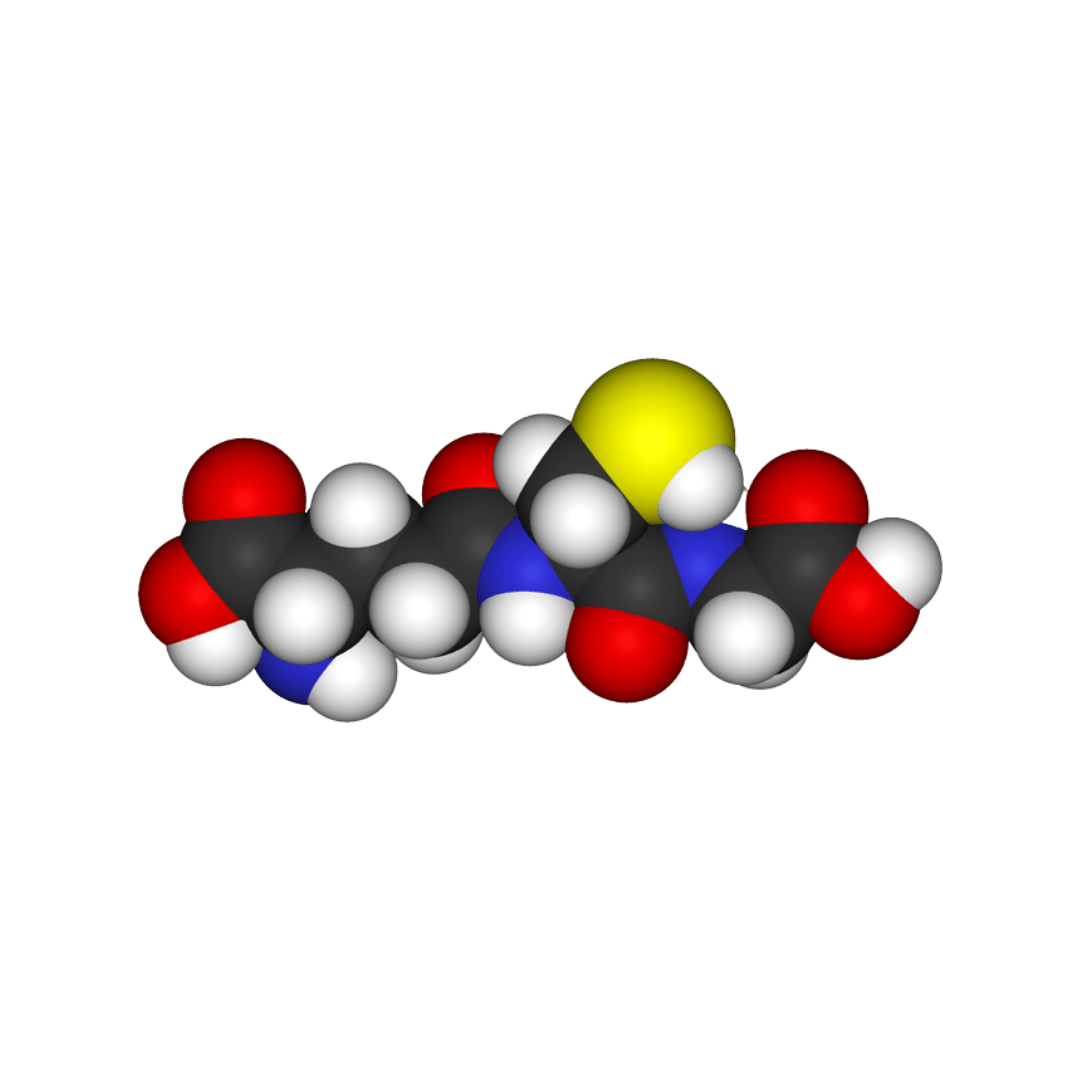
Collagen peptides (the ones in your morning smoothie or bone broth) are peptides. Glutathione, the antioxidant that shows up in IV lounges and supplement protocols everywhere, is a tripeptide: three amino acids linked together. That’s how small a peptide can be. On the other end of the scale, BPC-157 (one of the most discussed repair peptides in functional medicine right now) is a pentadecapeptide: fifteen amino acids.
The FDA’s official dividing line between a peptide and a biologic is fifty amino acids. Under fifty: peptide. Over fifty: biologic (subject to an entirely different regulatory framework). Biologically… it’s arbitrary. Your body draws no such distinction.
The very first peptide medicine we ever used was insulin. We’ve been extracting it from pigs and injecting it into humans since the 1950s. If the concept of using a peptide therapeutically feels experimental or fringe, remember that it’s been standard of care for diabetic patients for seventy years.
Your Body Has Been Running This Program Your Entire Life
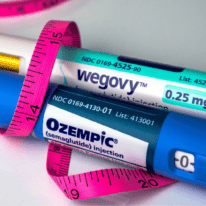
You are not considering whether to introduce peptide signaling into your biology. Your biology is already running it, continuously, whether you’re thinking about it or not.
Your gut L cells release GLP-1 after every single solitary meal. This is the same class of molecule that became culturally famous as Ozempic and Wegovy. Your gut produces it naturally as part of the ordinary process of coordinating digestion, blood sugar, and the signal to your brain that you’ve eaten (satiety). Certain beneficial bacteria in your gut produce butyrate, which acts similarly to GLP-1 in your body. Your microbiome is already running a version of this program on your behalf.
When you sustain an injury, your DNA makes RNA, which makes proteins that activate the immune response and begin the repair sequence. In between those steps, your cells produce peptides. These are the molecular relay signals that coordinate the repair process before the larger protein machinery arrives. They are part of how your body manages the timing of healing itself.

Now consider food. Green leafy vegetables contain micropeptides and microRNAs, signaling molecules that influence gene expression once absorbed. When you eat meat or protein, you’re ingesting peptides along with the amino acids. These aren’t inert. They’re messaging molecules that interact with your biology, helping to educate your immune system, regulate gene expression, and shape your cellular environment. The food you eat is already sending signals that, in a very literal sense, help make you who you are.
Fermentation works the same way. Fermenting foods increases their biological signaling capacity. The microbial activity generates messenger molecules that raw or overcooked food doesn’t contain. Consider rennet: the enzyme used to make aged cheese. Most people who make or eat artisanal cheese don’t know that rennet is a gut extract from cow or sheep stomach. It’s been used this way for thousands of years. Humans have been harnessing peptide biology since long before they had a name for it.
Honestly? I find this stuff really cool. Once you start seeing your body as a signaling network rather than a collection of parts, you can’t unsee it. Peptides are a big part of why.
So Why Do They Feel So Exotic?
Why does the word feel so clinical, so experimental, so other?
Cultural Coding
Most people encountered peptides culturally before they encountered them biologically. That social context coded the molecules as synthetic enhancement technology before the underlying physiology got any airtime. The naming conventions reinforce the impression: semaglutide, tirzepatide, BPC-157 don’t sound like anything your gut does after lunch. They sound like pharmaceutical compounds manufactured in a lab.
Institutional Gatekeeping
Peptides also don’t fit cleanly into the categories modern medicine prefers. They occupy an uncomfortable middle ground between food, supplement, signaling molecule, and pharmaceutical. They blur the distinctions that regulatory and medical systems depend on to establish legitimacy and safety classifications.
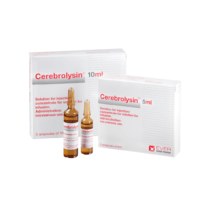
The FDA’s fifty-amino-acid line is one expression of this. Cerebrolysin is a compound I’ve used clinically for concussions and traumatic brain injuries, with well-documented neuroprotective effects. It has more than fifty amino acids. The FDA reclassified it as a biologic a few years ago, and it effectively disappeared from compounding availability overnight. Not because the evidence changed. Because it crossed an administrative line.
This isn’t an isolated case. Thymosin alpha-1, which I and many other functional medicine physicians have used for decades in immune-dysregulated patients, has been a licensed pharmaceutical in multiple countries for years. In the United States, it sits in a restricted category — not because of safety concerns, but because navigating the approval pathway requires resources that most compounding pharmacies simply don’t have. The institutional gatekeeping is real, it’s structural, and I’ll return to it in detail in the final article in this series.
Where the Real Risk Actually Lives
The biological familiarity of these molecules doesn’t guarantee the safety of the compound arriving in a vial. The risk has been mislocated to the molecules themselves, when it actually lives in the supply chain.
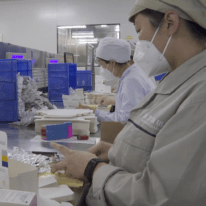
The vast majority of peptides in circulation today, including many used in clinical settings, are synthesized chemically in facilities in China using solvent-based reactions. Making a peptide chain through chemical reactions is actually fairly straightforward. The purification that comes after is what’s genuinely technically demanding and expensive.
When you synthesize a peptide, you get the peptide, and you also get residual solvents, byproducts, and chemical adulterants that need to be rigorously removed before the compound is safe for human use. The difference between research-grade and pharmaceutical-grade peptides is primarily the quality of that purification process. A cheaper product isn’t just less potent. It may contain contaminants that are biologically active in ways no one intended — which is why understanding your toxic load matters as much in this context as in any other.
The difference between research-grade and pharmaceutical-grade peptides is primarily the quality of that purification process.
Patients purchasing peptides through online gray markets have no visibility into any of this. (I’ll address how common that’s become in the final piece in this series, as regulated access has narrowed.) They’re trusting a supply chain that has no obligation to be transparent. That’s where the genuine risk lives: not in the molecule’s biology, but in the gap between what a product claims to be and what’s actually in the vial.
The Bigger Picture These Molecules Reveal
Peptides reveal something about how the body actually works that the controversy around them tends to obscure.
We’ve organized medicine largely around organs, diseases, and mechanisms. The heart does this. The immune system does that. The gut handles digestion. Those categories are useful but incomplete. Your systems don’t operate in isolation. A molecule your gut produces after a meal travels to your pancreas, your brain, your heart, your kidneys, and your immune system.
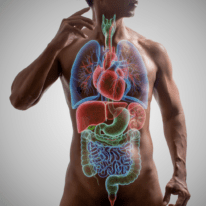
Peptides sit at the heart of that communication network. They are the messaging layer your body uses to coordinate itself across systems that conventional medicine treats as separate. When we talk about GLP-1 improving both blood sugar and neuroinflammation in the same patient, we’re not describing two separate effects of one drug. We’re describing one signaling shift rippling through systems that were already interconnected.
That’s why understanding what peptides actually are matters beyond any specific compound or clinical application. Not what the optimization culture says they are. Not what the regulatory controversy implies they are. What they are biologically.
Your body built a communication architecture out of these molecules. It’s been running that architecture your entire life. When we use peptide therapy clinically, we’re working with your body’s own language.
What This Leads To

Most of us assume that when recovery takes longer than it should or the body doesn’t bounce back the way it used to… the problem is structural. Something broke. Something wore out. Something is missing.
But what if the breakdown is a failure of coordination? The body still has the materials it needs, but our bodies lose their ability to tells those materials where to go, when to activate, and when to stand down?
That’s the question the next article takes on directly. And for the patients who’ve done everything right (who’ve addressed their diet, their sleep, their stress, their gut) and are still not recovering the way they should be, it may reframe the entire problem.
The next piece examines why healing can fail at the level of communication rather than structure, and what specific peptides reveal about how the body organizes its own repair.