Mystery Illnesses | Part 3
CIRS: The Poster Child of “Mystery Illnesses”
When Environmental Illness Hides in Plain Sight

Aaron Hartman MD
March 18, 2026
Subscribe
Never miss out on new content from Dr. Hartman.
In the last article we explored the “great imitators,” infections that mimic other diseases. But there’s one particular kind of infection-related illness that deserves special attention:
“It’s ubiquitous. It is the poster child of what we’re talking about as far as mysterious illnesses that aren’t as mysterious as you think. The complex system-wide biological disarray that ensues … immune dysregulation, inflammation, mitochondrial dysfunction — all of these things happening concurrently.”

The illness Dr. Christian Jenski is describing is Chronic Inflammatory Response Syndrome, or CIRS. It’s not so much a single infection. CIRS is the cascade of immune dysfunction when the body fails to properly process certain biotoxins or pathogens.
And for clinicians who treat complex chronic disease, CIRS could be the “Rosetta Stone” that unlocks most of the mysteries.
Before we dive deeper into CIRS, it helps to clarify something about medical language.
What’s the Difference Between a Disease, a Disorder, and a Syndrome?
And a bonus: What’s a condition?
Your “condition” or state of health can be good or bad, normal or abnormal, serious or trivial. But diseases, disorders, and syndromes are all abnormal, negative conditions.
What Is a Disease?

A disease is a condition that impairs the normal functioning of the mind or body. A disease can have a range of causes (e.g. genetic, environmental, lifestyle), but the cause is understood. That’s critical. A disease is a specific condition with a defined mechanism.
Diabetes is a disease. It has well-defined symptoms (e.g. excessive thirst, frequent urination, fatigue, elevated blood sugar levels). And it has known causes (which vary a little between Type 1 & Type 2, but you get the idea).
What Is a Disorder?

A disorder is also a condition that impairs the normal functioning of the mind or body, BUT… disorders don’t usually have clear causes.
Attention-Deficit Hyperactivity Disorder (ADHD) is a disorder. The symptoms are fairly well known, but not always cut and dry. And the cause can’t easily be tied to an infection, injury, or specific genetic source.
Disorders have recognizable patterns but often lack a single clearly defined cause. They’re a little more “mysterious.”
What Is a Syndrome?
A syndrome is a collection of symptoms that frequently show up together. It’s a constellation of problems.



Syndromes don’t usually follow a common process, and they rarely have a known cause. They often act as a catch-all for symptoms that fit a pattern, but do not (yet) link to a specific disease or disorder.
- Chronic Fatigue Syndrome (CFS).
- Irritable Bowel Syndrome (IBS).
- Postural Orthostatic Tachycardia Syndrome (POTS).
They’re a lot more “mysterious.” You have a bunch of symptoms that follow a pattern, but the cause is fuzzy. The process and progression is inconsistent.
That brings us back to the poster child: Chronic Inflammatory Response Syndrome (CIRS).
Unpacking CIRS

CIRS is a complex, multi-system, multi-symptom condition resulting from an abnormal immune response to biotoxin exposure. Another complexity: the exposure may be a single event, like a tick bite, or repeated exposures to mold or micro-particulates.
Because of this complexity, patients with CIRS often present with symptoms affecting many different organs: neurological symptoms, immune dysfunction, chronic inflammation, fatigue, and cognitive changes.
Why Diagnosis Is So Difficult
Even when clinicians begin suspecting CIRS, confirming the diagnosis is rarely simple. The illness refuses to behave like a single-organ disease.
Dr. Jenski describes the challenge directly.

“There isn’t a single lab. There isn’t a single test where you can point and say ‘that’s the disease.’ You have to look at patterns — symptoms, labs, exposures, and put the story together.”
That kind of investigation requires stepping back from individual symptoms and reconstructing the broader narrative of illness.
Not Just Mold
Another reason why CIRS gets overlooked is that we (the medical system) often oversimplify the illness. We equate CIRS with mold.
But as Dr. Jenski explains:
“This is not just mold illness. This is a complicated disease that is usually tied to more than one thing.”
I’ve explored the complex historical relationship of “mold-related biotoxin illness” and CIRS in other articles.
We see this pattern across several illnesses:
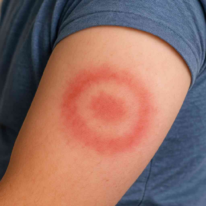


- Chronic Lyme: Lyme Disease has a relatively clear cause and progression (though we’ve covered it’s many complexities). Chronic Lyme remains somewhat more complex. It behaves like a chronic inflammatory response with a specific infectious trigger.
- Long COVID: COVID is now a relatively clear infectious disease, but Long-COVID remains more complex. It behaves like a chronic inflammatory response syndrome with a specific viral trigger.
- ASIA Syndrome: Autoimmune/Inflammatory Syndrome Induced by Adjuvants is basically the same syndrome (the same constellation of problems and the same biological progression) that is triggered by an adjuvant rather than a biotoxin.
When the Pattern Is Recognized
For patients, the consequences of recognizing the pattern can be significant. In some cases clinicians discover that what initially looked like a neurological or degenerative disease may actually have a different underlying driver.
Dr. Jenski described two shocking examples:

“Both of these patients were diagnosed with early Parkinson’s. They meet the criteria for CIRS. We remediated their houses, started detox support … and they’re improving!”
In case you didn’t catch that: their Parkinson’s symptoms are improving by treating the CIRS. Let that sink in.
Following the Trigger
Cases like Dr. Jenski’s illustrate why clinicians who treat complex chronic illness often begin tracing the timeline of illness backward.

What happened before the symptoms began?
Where was the patient living or working at the time?
Dr. Jenski describes what clinicians frequently uncover when they follow that trail.
“Most of the time when we track it back there was some environmental trigger — a water-damaged building, mold exposure — something that keeps the immune system activated.”
The Pattern Behind the Mystery
Viewed this way, CIRS helps explain why so many patients with chronic illness move between specialists without finding a single answer.
CIRS is a pattern. It’s a biological immune response with a cascade of negative consequences. That syndrome overlaps with other syndromes and conditions (Chronic Fatigue, Irritable Bowel, POTS, ASIA, Long-COVID, Chronic Lyme). But the pattern is the same.

Their symptoms aren’t confined to one system.
They reflect a broader disruption in how the body regulates inflammation, immunity, and environmental stress.
In the remaining articles in this series, we’ll explore several other pieces of this pattern, including mast cell activation and nervous system dysfunction to understand how these overlapping processes can shape the experience of complex chronic illness.

WHERE Your Food Comes From Matters As Much As WHAT You Eat
Most health-conscious people focus on WHAT they eat... overlooking HOW that food was grown. Raised. Processed... BEFORE it reaches their plate.
This blind spot means you’re not getting the nutritional benefits you think you are, and might be introducing hidden toxins that undermine your goals.
Skip 2+ years of trial & error...
Get the answers in an afternoon.