How to Do an Oil Change for Your Own Body
The functional-medicine case for fat as medicine

Aaron Hartman MD
August 19, 2026
Subscribe
Never miss out on new content from Dr. Hartman.

Udo Erasmus gave me the image I keep coming back to: your body needs an oil change, just like your car. Take the dirty oil out, put clean oil in, and the engine runs smooth. Leave the dirty oil in there and it grinds. Simple enough with a car. You drain the pan, swap the filter, 20 minutes and you’re done.
Your body doesn’t have a drain pan. The damaged oil you’ve been eating for years isn’t sitting in a reservoir waiting to be poured out. It’s built into you: into the walls of your cells, into your mitochondria, into the membranes that carry every signal in your body. So the real question isn’t whether your body needs an oil change. It’s how you change oil that’s already inside you.
Fat as Medicine Is Real
Fat as medicine has been standard hospital practice for decades. When someone comes in with anesthesia toxicity, one of the ways you pull that toxin back out of their brain is with a phospholipid, phosphatidylcholine. That’s not a supplement-store idea. That’s an ICU.
Then there’s an FDA-approved drug for ALS that pairs butyrate (a short-chain fat your own gut makes) with a phospholipid. There’s a prescription omega-3, Lovaza, that a doctor can write you for. The idea that a fat can be a drug isn’t something functional medicine or online gurus dreamed up. It’s been sitting in the pharmacy for decades.
I’ve been using this in my clinic for years with patients who have traumatic brain injuries, neurological issues, chronic inflammatory response syndrome. I’ve used it at home to help heal my own kids’ brains. So when I talk about fat as medicine, I’m not talking about a trend. I’m talking about some of the deepest medicine I’ve learned in the last decade.
Every cell you own is built out of fat, which is exactly why the wrong fats can wreck you and the right ones can rebuild you. The full structural story, what these fats are doing inside your cell membranes and why the balance matters so much, is its own piece: the real story on what fat does in your body.
Why Stopping the Bad Oil Isn’t Enough
Cleaning out your kitchen is step one, but it isn’t the whole job. You can throw out every bottle of canola oil tomorrow and still be carrying years of damaged fat around, because the fat you already ate is stuck. It got built into your cell walls and your mitochondria, and your body doesn’t hand it back easily.
That stuck fat isn’t inert. When altered or damaged fat lodges in a cell membrane, the membrane stops behaving the way it should. Your cell walls are supposed to have a fluidity and a vibration to them, and that vibration is what lets signals pass: hormone receptors, insulin receptors, neurotransmitters, all of it. Pack the membrane with stiff, damaged fat and the signaling goes sluggish. The receptors misfire. Udo describes the damaged molecules gumming up the works inside the mitochondria, taking up room they’ve got no business occupying.
So subtraction still comes first. If you haven’t gotten the industrial oils out of your kitchen yet, start there, because those are the oils you use in the largest amounts and heat the hardest. There’s a fifteen-minute way to find every hidden source and swap it: clean out your kitchen first.
And if you want to see how much damaged fat one ordinary habit builds up, the number is genuinely hard to believe. One tablespoon of processed oil delivers a figure most people can’t take in the first time they hear it: just how much damage is in that bottle.
The Oil Change, Step by Step
The whole protocol runs on one loop: pour clean fat in, burn the bad fat off, bind it up so you eliminate it. Five moves.
Move 1: Stop the input.
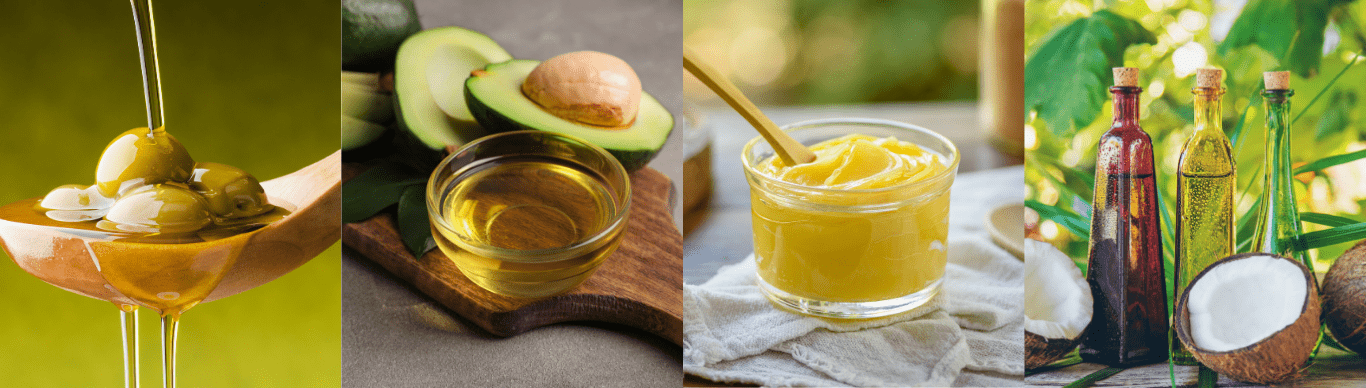
Get the canola and sunflower oil out unless you know for certain it’s clean-sourced and not expeller-pressed. Replace them with fats that hold up: extra virgin olive oil (it has to say extra virgin), avocado oil from Mexico, butter and ghee from grass-fed and grass-finished cows, and coconut oil, which is one of the easiest to get clean, since coconuts have almost no natural predator and don’t get sprayed much. Then, when you eat out, start avoiding the places that fry in seed oils.
That’s the short version. The full swap list, brand by brand, lives here: the full swap list, brand by brand.
Move 2: Flood with clean fats.
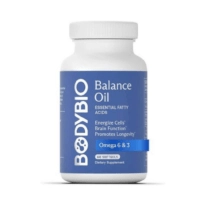
Now you pour the good oil in, and a lot of it: omega-3s, omega-6s, and healthy saturated fats. That last one surprises people. When we run fatty-acid testing, plenty of patients come back deficient in healthy saturated fat, not only their omega-3s. These levels are measurable, which matters, and I’ll come back to that.
The source I reach for is BodyBio Balance Oil. It’s a 4:1 omega ratio, clean-sourced, cold-processed, and I’ll typically start someone at one to two tablespoons a day.
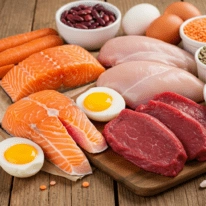
You still need to eat real fat, and a lot of it. Don’t be afraid of butter and ghee. Don’t be afraid of organ meat. Don’t be afraid of fatty fish like salmon. That’s the flood.
Move 3: Add phospholipids.
This is the move that does something you can see. Phosphatidylcholine, PC for short, about a tablespoon a day. In nature it comes from organ meats, egg yolks, and caviar (good luck building a daily habit around caviar), so a PC supplement is the practical route.
Phospholipids act like soap on your cell membranes. The first thing most people notice, within a couple of weeks of starting PC, is their stool changing and going dark. That isn’t a side effect to worry about. That’s the gunk washing out. It’s about as literal as medicine gets.
Here’s why so many of us need it. The main dietary sources of phospholipids are organ meat and egg yolks, and we quietly took organ meat out of the American diet back in the 1950s. It used to be a third of all the meat this country ate. Now almost nobody touches it. A whole population walked away from its primary phospholipid source two generations ago, and we’re paying for it: PC depletion shows up hard in mold illness (CIRS) and in mitochondrial problems.
With the kids I see for neurological issues and autism, a diet high in phospholipids is one of the first things I reach for.
Move 4: Burn off the damaged fat.
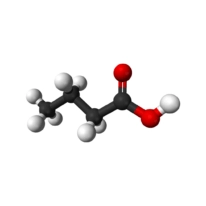
Once the clean fat is flowing in, you help your body burn the old damaged fat off. The agents here are butyrate and TUDCA (tauroursodeoxycholic acid). Both have been studied in patients with neurological disease, and remember that FDA-approved ALS drug from a minute ago: it’s a phospholipid combined with butyrate.
I’m not going to hand you a number on these, because the dose is individualized on purpose. Butyrate and TUDCA get dialed to your labs, your tolerance, and whatever else you’re already doing, and that’s exactly the kind of thing a practitioner is for. The dose depends on you, and that’s the point.
What butyrate is doing under the hood is worth understanding, because it’s elegant. Butyrate is a signaling molecule. It tells your peroxisomes, little organelles inside your cells, to burn off toxins. It also helps repair your gut barrier and your brain barrier. You’re not just adding a fat. You’re sending your cells an instruction to clean house.
Move 5: Bind and eliminate.
Your body is frustratingly good at recycling. Loosen up a load of old toxic fat and, left to its own devices, your gut will happily reabsorb a chunk of it. So you have to bind it up in your gut and poop it out.
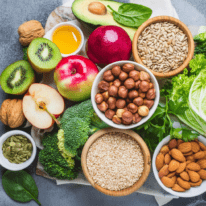
Fiber is nature’s binder, and it’s the first lever: aim for 40–60 grams a day. Most people aren’t close. If that’s you, add fiber before you add anything else. If you’re getting the fiber and still having trouble, then you bring in binders: activated charcoal, clay, and the strongest of them, the bile-acid sequestrants. The prescription sequestrants, Cholestyramine and Welchol, bind bile the most aggressively, but I’ll be honest: they’re very constipating and a lot of people don’t tolerate them. Amounts there are individualized too, for the same reason as Move 4.
For the general science of how binders and elimination work across the whole body, that’s its own territory: how binders and elimination actually work. Here we’re keeping it to the fat.
The everyday layer.
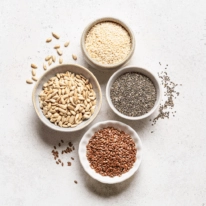
Not all of this comes in a bottle. Throw flax, chia, and sunflower seeds into a smoothie, a couple of tablespoons a day. Eat nuts, about half a cup a day (walnuts lean toward omega-6, seeds toward omega-3). And keep the extra virgin olive oil going, both for its polyphenols and because it helps move your bowel along and push waste out the door.
Test, don’t guess.
I keep coming back to testing because it’s what turns this from guesswork into medicine. A fatty-acid panel tells me where you actually stand: an omega check for your omega-3 to omega-6 balance, your C15 and saturated-fat status, your trans-fat levels. A Cleveland Heart Lab panel shows me oxidized LDL. What comes back changes what I put in front of you. Somebody running a 16:1 omega ratio with high trans fats gets a different plan than somebody who’s simply low on phospholipids.
What to Expect (& Why This Works)
Here’s the reason none of this is hopeless. Your body is rebuilding itself constantly. You aren’t the same collection of molecules you were a while back; you’re turning over and replacing your parts all the time. Which means the moment you stop pouring in damaged fat and start supplying better raw material, your body rebuilds to a better standard. It was always going to rebuild. You’re just changing what it buildswith.
What that looks like in practice: the stool change from PC is usually the first visible sign, the tell that things are moving. And I’ve watched patients get profound results from this alone, especially once the phospholipids go in. Not slightly better labs. profound.
The Standard You Decide to Hold
You wouldn’t expect a car to run to 300,000 miles on the oil it left the factory with. You’ve been running on close to your original fill for decades.
So the oil change isn’t a one-time cleanse you do, feel virtuous about, and forget. It’s a standard you decide to hold: clean fat in, damaged fat out, on a rhythm, for good. The dirty oil is in there right now, built into cells that are going to rebuild themselves anyway. You get a say in what they rebuild with.
Where to go next. Three directions from here: stop the input by cleaning out your kitchen; see how bad the damage really is with the numbers behind processed oil; or step back for the whole story on what fat does in your body.

WHERE Your Food Comes From Matters As Much As WHAT You Eat
Most health-conscious people focus on WHAT they eat... overlooking HOW that food was grown. Raised. Processed... BEFORE it reaches their plate.
This blind spot means you’re not getting the nutritional benefits you think you are, and might be introducing hidden toxins that undermine your goals.
Skip 2+ years of trial & error...
Get the answers in an afternoon.