Mystery Illnesses | Part 4
When Everything Feels Like a Trigger
Mast Cells, Chemical Sensitivity, and Why the Body Becomes Reactive

Aaron Hartman MD
March 25, 2026

Subscribe
Never miss out on new content from Dr. Hartman.
At a certain point in the course of chronic illness, the pattern shifts.

Foods that were once tolerated now cause symptoms. Supplements provoke reactions. Medications feel unpredictable. Even smells, environments, or minor exposures can trigger a response.
The reactions don’t stay in one system. They move: skin, gut, brain, cardiovascular. One day it looks like anxiety. The next it looks like IBS. Then headaches. Then fatigue. Then something else entirely.
From the outside, it can look inconsistent.
From the inside, it feels like the body has become reactive to everything.
But clinicians who treat complex chronic illness begin to recognize this pattern.

“If ever there were an 8,000-pound invisible elephant in the medical profession’s waiting room, it’s this disease… every doctor has been seeing these patients. They just haven’t been able to recognize it.”
— Dr. Lawrence Afrin, Made for Health — Episode 018
So what is this “invisible elephant” that clinicians keep missing? One answer begins with a part of the immune system most people have never heard of: mast cells.
What Mast Cells Actually Do
What are mast cells? Dr. Jenski describes them this way:
“So a mast cell is, it’s a type of cell in the immune system that is kind of like a little bag of inflammatory mediators. It houses histamine and other inflammatory cytokines and platelet activating factor and all these little things that have specific jobs that typically create horrible symptoms in patients when they’re unleashed… They line the GI tract, they line our blood vessels, they’re at the skin surface, so they’re just kind of everywhere. Waiting to be triggered… and in the setting of an acute injury or issue, it will be, but if they’re being triggered all the time, then it’s creating havoc in that individual. They get symptoms anything from typical allergy, type four hypersensitivity, all the way through anaphylactic shock… but you could also have mood disorders, anxiety, panic. You can have headaches, you can have insomnia from this. Obviously GI issues… There’s a whole constellation of symptoms that go along with it that you can kind of pinpoint back to mast cells. They are a necessary evil, but they’re very problematic in a lot of patients.”
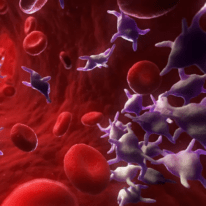
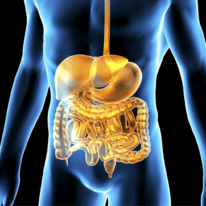
Mast cells are not confined to a single organ. They exist throughout the body: at the skin, in the gut, along blood vessels, and within the immune system’s communication pathways.
That distribution matters. When they’re activated repeatedly, the effects aren’t local. They’re systemic. When this system becomes chronically dysregulated, it’s often referred to as Mast Cell Activation Syndrome (MCAS).
(We’ve explored this in more detail here →)
Why It Looks Like Everything
Once mast cells are involved, the symptom picture becomes difficult to categorize.
Dr. Jenski explains why:
“They’re literally a bridge between your nervous system and your immune and vascular system. So you can have vascular symptoms (racing heart rate, blood pressure fluctuation). You can have a mood dysregulation… But part of the amorphous confusion about it because it does connect your nervous system with your endocrine hormonal system and your vascular system. All of a sudden it can look like a whole bunch of things.”
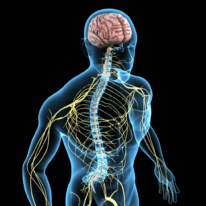
This is where many patients begin to feel lost in the medical system. Each symptom can be evaluated in isolation. But the underlying mechanism doesn’t belong to a single specialty.
The confusion is not accidental. It’s a direct result of how the system behaves.
The Pattern Patients Recognize
For many patients, this pattern eventually becomes unmistakable.
They react to foods. To chemicals. To medications. To supplements. What once felt like isolated sensitivities begins to look like a broader phenomenon.
Dr. Jenski describes this pattern using a term that’s gained increasing recognition:
“But TILT Syndrome actually is recognized, which is just a mast cell phenomenon where you have chemical sensitivity, food sensitivity, and drug sensitivity. So you react with medications, supplements, foods… If you have all three of those, you have a 94–96% chance of having TILT… and how many people do we see? … Who having chemical sensitivity… Medication sensitivity, supplement, food.”

TILT syndrome, or Toxicant-Induced Loss of Tolerance, describes what many patients eventually experience: a loss of resilience to everyday exposures.
In other words, the wide range of symptoms is very real (and admittedly confusing) … but it’s not random.
Dr. Afrin again:
“One of the hardest parts of diagnosing MCAS is its extreme variability—at every level, from the genetic mutations driving it to the clinical presentation in patients. No two patients look alike, but at the core, they share this hidden, common thread.”
Why Diagnosis Feels So Inconsistent
Like CIRS, mast cell activation (MCAS) doesn’t fit neatly into a single category. It overlaps systems, specialties, and definitions.
That creates a second problem beyond biology: language.
Dr. Jenski describes the frustration:
“We’ve known about mast cells and we learned about mastocytosis in medical school as this extreme form of it… and so I think that everyone just started blaming everything on mast cells… It’s not like we all of a sudden just woke up and everybody just started having a mast cell issue. They’ve been around forever. Mast cells are problematic. They’ve been triggered. We’re just saying it too much, and I think it’s starting to kind of irritate some people… The whole point is that you’re trying to figure out what’s wrong with that patient and do something about it, whether you call it mast cell activation syndrome or TILT… But make the right diagnosis and treat the patient… It’s just dumb that they’re playing these semantic games. But this is a real thing that we see all the time, and it’s just kind of hard to pin down because it looks like everything, and lab testing’s not great.”

Different clinicians use different terms. Diagnostic criteria vary. Lab testing is inconsistent. And patients are left trying to make sense of a pattern that clearly exists, but doesn’t have a single agreed-upon name for it.
Where Mast Cells Fit (and Where They Don’t)
Even when mast cell activation is identified, it’s rarely the entire story. In many cases, it exists within a larger pattern of immune and inflammatory dysregulation.
Dr. Jenski explains how this shows up in patients with CIRS:
“Yes, mold and biotoxins can trigger mast cells, but if you’re a CIRS patient… your histamine pathways get upregulated… If they’re turned on, then any nucleated cell in the body, which has the potential to make histamine, starts making histamine. So, it goes beyond mast cells at that point. So you may do a lot of mast cell specific intervention and not gain any ground with that patient because you’re not also doing antihistamine support in other ways… If it is a CIRS patient, yes, mast cell is on my radar, but I’m also understanding (because of my understanding of CIRS) that I got to do up and downstream. I can’t just go after mast cells, I got to tackle all of this… It’s complicated. It’s really, complicated.”

And more directly:
“The mast cell component, it’s … a piece of the puzzle that needs to be addressed… treating the mast cells can help calm symptoms that fit your CIRS patient or a Lyme patient or post-concussive syndrome… yes, treating cromolyn can be helpful… but you really need to probably work on your brain to start all this stuff.”
This is where the earlier articles in the series begin to connect. Mast cells help explain the experience of reactivity. But they don’t fully explain why that reactivity developed in the first place.
The Pattern Behind the Reactivity

This is the pattern we keep returning to throughout this series: symptoms that appear disconnected, but are actually part of a shared underlying process.
So hypersensitivity or “reacting to everything” isn’t random. It reflects a complex system that’s become dysregulated … responding to signals in a way that is amplified, persistent, and difficult to control.
Mast cells are one part of that system, but they’re not the starting point, and they’re not the end of the story.
They’re a signal highlighting a deeper layer of dysregulation. They help explain why symptoms spread across organs. Why triggers seem unpredictable. Why reactions escalate over time.
In the final article in this series, we’ll look at another layer of this pattern: the nervous system itself, and how it can become part of the loop that keeps these responses going.

WHERE Your Food Comes From Matters As Much As WHAT You Eat
Most health-conscious people focus on WHAT they eat... overlooking HOW that food was grown. Raised. Processed... BEFORE it reaches their plate.
This blind spot means you’re not getting the nutritional benefits you think you are, and might be introducing hidden toxins that undermine your goals.
Skip 2+ years of trial & error...
Get the answers in an afternoon.