
Hypermobility cluster, Hub C (Gut Health)
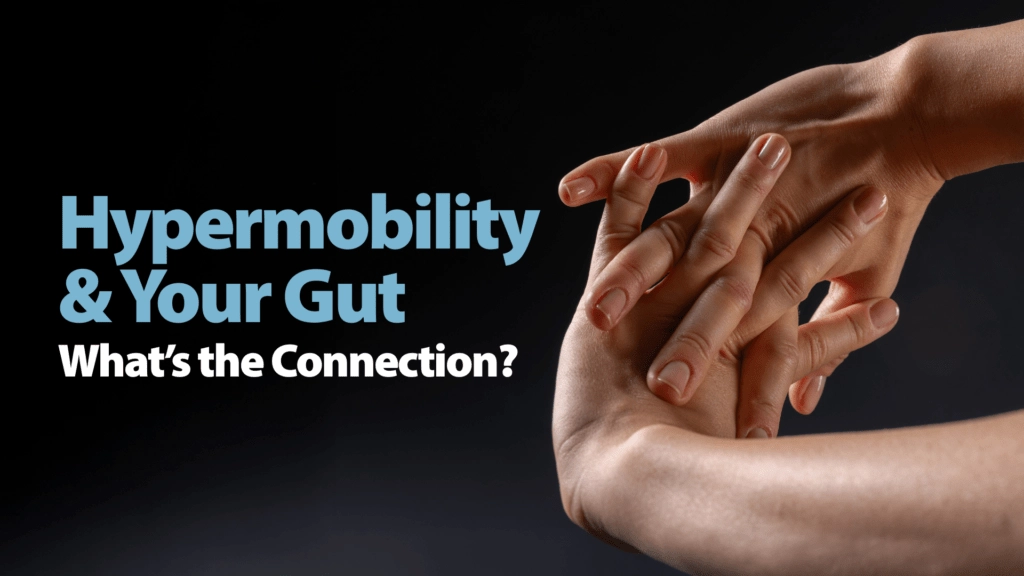
Hypermobility & Your Gut … What’s the Connection?
Why loose connective tissue reaches your gut two different ways

Aaron Hartman MD
September 23, 2026
Subscribe
Never miss out on new content from Dr. Hartman.
A lot of the people I see are hypermobile. Some arrive knowing it. Most don’t, and find out in my office after years of being handed one diagnosis at a time.
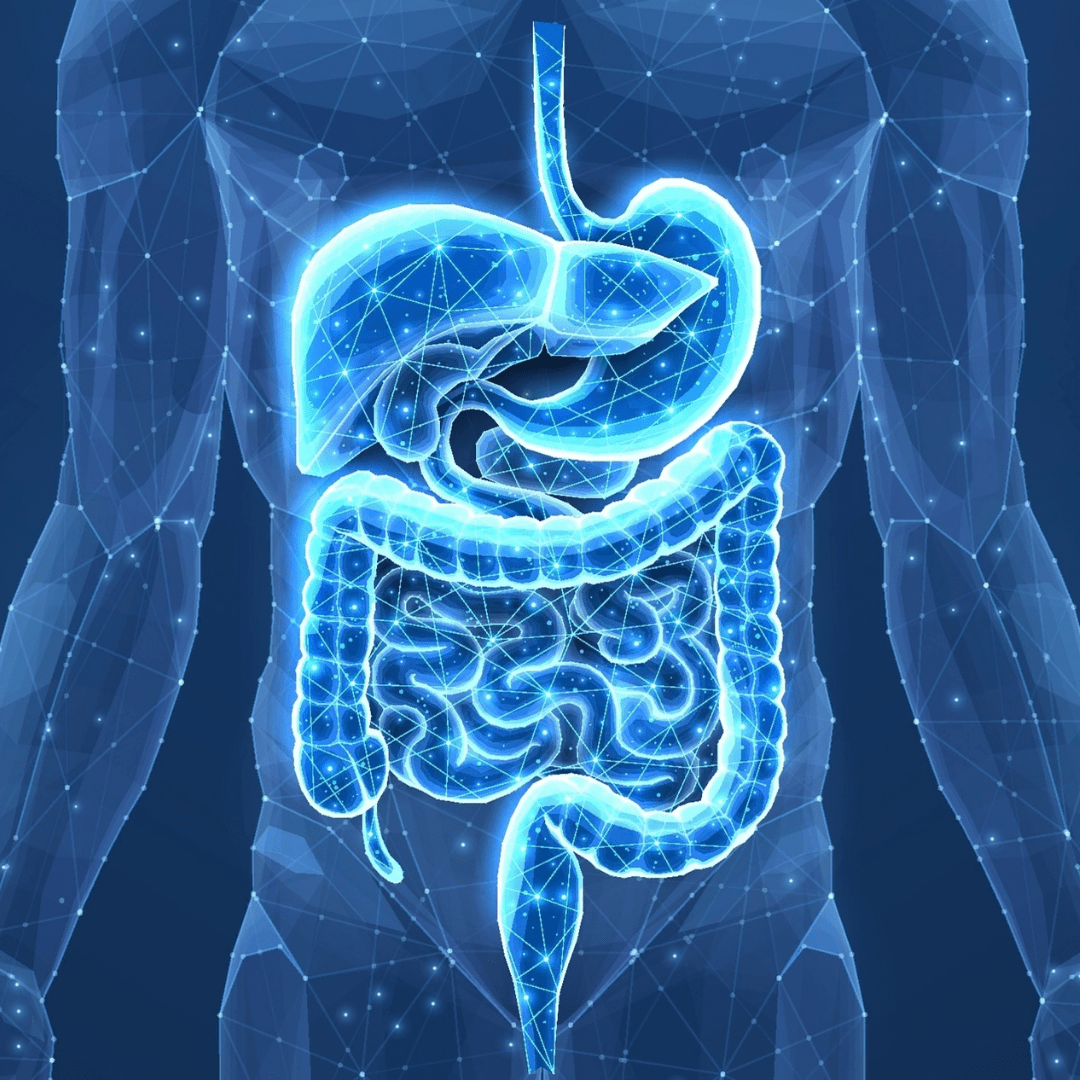
With almost all of them, one of the first places I go is the gut … and I get the same question almost every time: What on earth does a connective tissue problem have to do with my digestion?
That’s the polite version, but if you’ve spent any time in this world, you may be thinking something less polite. Functional medicine doctors say everything is the gut. Maybe this one is just reaching into his favorite bag of tricks.
That’s a fair suspicion. But there is an actual mechanism here, and it’s specific to hypermobility.
It also explains why hypermobility rarely stays a joint problem. The S in EDS stands for syndrome, a group of conditions that travel together. Understanding what loose tissue does to your gut is a large part of why so many seemingly unrelated problems, autoimmune conditions among them, come along for the ride.
Loose tissue changes the gut mechanically
Connective tissue isn’t only in your joints. It wraps your nerves and muscles. It holds your heart in place. It holds your gut in place.
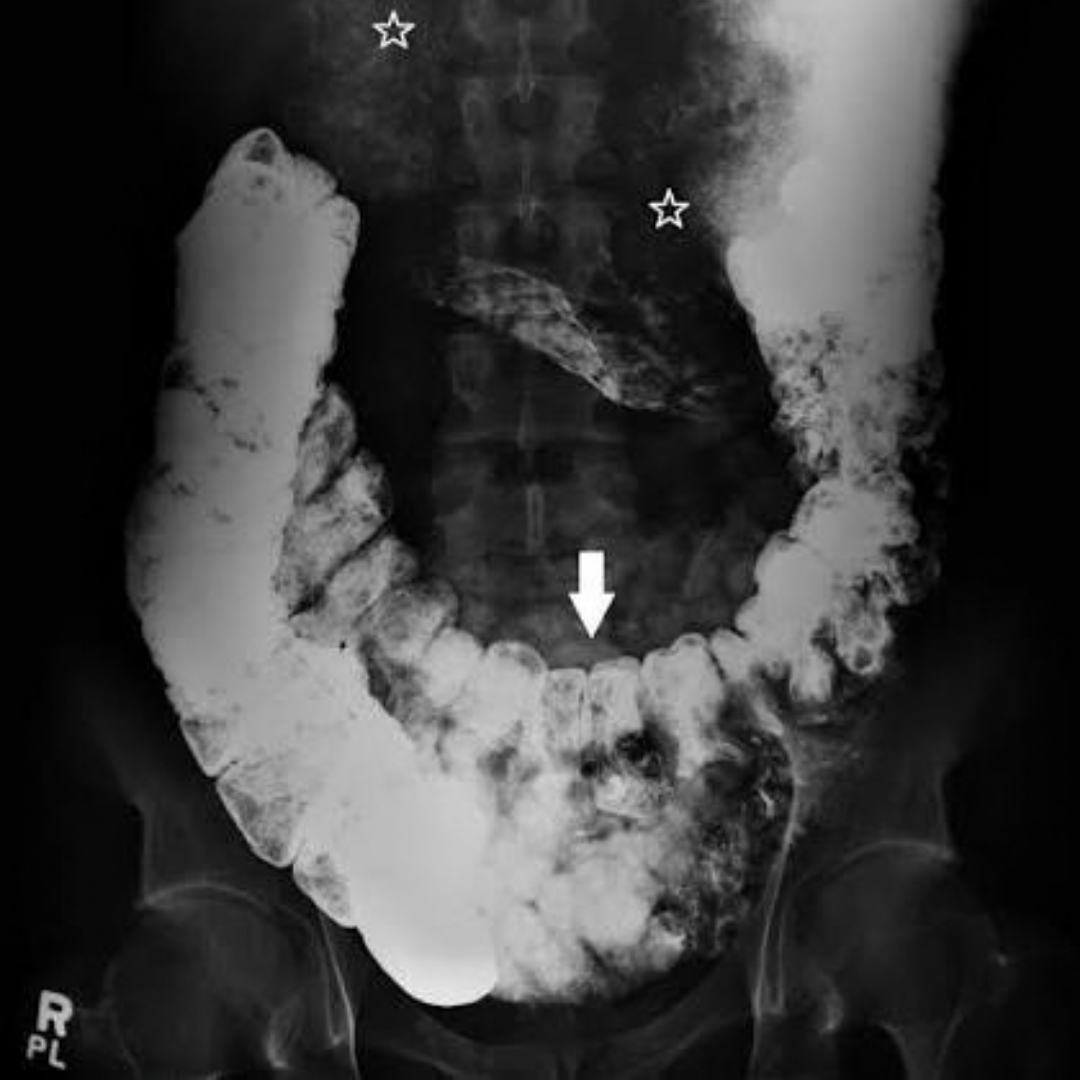
When that tissue is built a little looser than standard, the abdominal organs aren’t held quite as securely. There’s a word for the result: visceroptosis, organs sitting lower in the abdomen than they should. That change in position and pressure slows the movement of the bowel. Food sits longer than it was meant to. What sits, ferments. And fermentation feeds bacterial overgrowth in a stretch of intestine that isn’t supposed to have much bacteria in it.
That single mechanism explains two complaints that sound like opposites. Slow transit gives you constipation. Overgrowth and the irritation that comes with it can give you diarrhea. Same cause, two different presentations. The label you were handed names the pattern. It does not tell you what is producing it. I’ve followed this chain all the way to autoimmune disease in hypermobility and chronic health issues.
You also need physical movement for your bowels to work correctly. Sitting still is one of the most reliable ways to make this worse. For a hypermobile patient with sluggish digestion, walking is treatment.
Loose tissue also changes the nervous system
This is the arm that surprises people.
Your connective tissue is packed with nerve endings, and most of the traffic in those nerves runs toward the brain, not away from it. Tissue that doesn’t hold position well produces a steady stream of micro-tears through ordinary life. Every reach, every stair, every hour in a chair. The nerve endings register those tears and send a damage signal upstream, and your body answers a damage signal the way it always does, with a small release of cortisol and adrenaline.
Nothing about any one of those is dramatic. The problem is that it happens again, and then again, for years. I walked through this mechanism in detail in why hypermobility makes you anxious, because it’s also the reason so many hypermobile people carry anxiety that has no story attached to it.
That cortisol doesn’t stay where it started.
And the cortisol comes back to the gut

Chronically elevated cortisol loosens the junctions in the gut lining, and it pushes the immune system toward being more reactive.
Stress isn’t only a feeling, either. When you’re stressed, you make less stomach acid and fewer digestive enzymes. Your GI tract slows down. The composition of the bacteria in your gut shifts, through cortisol directly.
So there are two separate roads from hypermobility to a compromised gut lining. One runs through the structure of your abdomen. The other runs through your nervous system. Most of my hypermobile patients are on both at once, which is part of why their gut problems are so stubborn.
Both roads end at the same door
Your gut lining is the barrier between the contents of your bowel and your immune system. During my training I learned that if you nick someone’s bowel during abdominal surgery, they’re often dead within three days. That’s how hostile the contents of your intestine are to the rest of you. You and I sit here fine because of a layer of tissue a single cell thick.
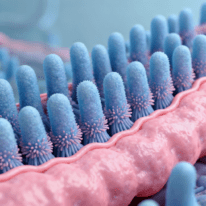
Most of your immune system lives in and around your gut. That barrier is where your immune system gets its education about what does and doesn’t belong in the world.
When the barrier gets leaky, that education goes wrong. Things cross that were never meant to cross. The immune system activates against them, and it stays activated. That produces inflammation, and inflammation doesn’t stay local. It reaches the brain, where it shows up as brain fog and as fatigue that sleep doesn’t touch. And as more of the same low-grade anxiety you were already carrying.
Which loads the nervous system further. Which raises cortisol. Which loosens the gut lining again. Which loads the nervous system further.
Gut, immune, brain. I call it GIB, and I use it as a clinical shorthand: if I see a problem in one, I go looking in the other two. That loop is why hypermobility behaves like a supersyndrome instead of a joint complaint. Once it’s going, it runs on its own.
Why that makes the gut a lever
Your gut sits inside that loop. So working on your gut is never only about your gut.

The clearest example I can give is POTS. I treat POTS first, because until blood pressure is stabilized nothing else in the body works well. But part of POTS is often SIBO, and once the POTS is stable, treating the bacterial overgrowth improves the POTS further. There are interventions like low dose naltrexone and immunoglobulins that address the gut and the nervous system at the same time, and in the sickest patients those are sometimes what finally works.
Nobody would look at a racing heart on standing and think about the small intestine.
I want to be careful here. I’m not telling you that your gut is the cause of your hypermobility, and I’m not telling you which parts of this picture apply to your body. An article can’t know that. What I am saying is that if you’re hypermobile and you have been treating your gut as a separate annoyance while you deal with the real problems, the mechanism above is a reasonable argument for moving it up the list.
And the place to start isn’t a supplement. It’s food.
Where to start
The most useful thing you can do for your gut is eat real food, and the hardest part of eating real food is knowing what to actually buy.

We built the Real Food Sourcing Guide for exactly that. It walks through what to prioritize, what’s worth paying more for, and what isn’t, so that the trip to the grocery store stops being guesswork.
Get the Real Food Sourcing Guide
If you haven’t yet worked out whether hypermobility is part of your picture at all, start with hypermobility spectrum disorder, and then read The Pentad Supersyndrome for the five conditions I look for together.
You were made for health. Sometimes the first step is finding out what’s actually in the way.