When “Healthy Eating” Stops Working
A conversation with Ashley Armstrong on food, energy, and why quality matters more than rules

Aaron Hartman MD
January 28, 2026
Subscribe
Never miss out on new content from Dr. Hartman.
I Was Doing Everything Right.Why Was I Still Falling Apart?
That was the moment in the conversation when I leaned forward.

Ashley Armstrong had just finished describing how intentional she was with her food. She sourced carefully. She avoided obvious junk. She paid attention. And yet her health was unraveling.
Her Raynaud’s was worsening. Her hands and feet were cold all the time. Her energy was unpredictable. Stress hit her harder than it used to.
She wasn’t asking for motivation. She wasn’t confused about the basics. She was asking a much harder question: Why would a body break down when someone is doing everything right?
I’ve heard versions of that question thousands of times. And when I hear it from someone like Ashley, it tells me something important.
When Discipline Becomes a Clinical Clue
In my practice, the people who concern me most are often the most disciplined.
 They read labels. They follow plans. They care deeply about their health. And still, their symptoms keep piling up.
When that happens, I stop looking at effort. I stop looking at willpower. I start looking at inputs. Because at that point, the problem is almost never that the person isn’t trying hard enough. It’s that their biology is responding to information that doesn’t match what it needs.
Food isn’t just fuel. It’s information. It tells your cells how to behave. It shapes hormones, immune responses, and how energy is made and used.
Ashley’s story made this visible right away.
Food isn’t just fuel. It’s information. It tells your cells how to behave. It shapes hormones, immune responses, and how energy is made and used.
Raynaud’s Is Not Just a Circulation Issue
 When Ashley mentioned Raynaud’s, I didn’t hear “cold hands.”
I heard a signal.
Raynaud’s is often treated like a standalone problem. Poor circulation. Stress. Something to manage. But clinically, I see it differently.
Circulation depends on signaling. Signals move across cell membranes. And cell membranes are built largely from fat.
 The type of fat you eat becomes the structure of those membranes. If the fats are unstable or rigid, signaling suffers. Cells don’t respond well to cold, stress, or demand. Energy production becomes less efficient.
That’s why symptoms like Raynaud’s, fatigue, and stress sensitivity often travel together. They’re not random. They’re connected.
Ashley hadn’t failed her body. Her body was responding exactly as designed to the materials it was given.
Why Fat Quality Mattered More than Food Rules
 Ashley wasn’t avoiding fat. She wasn’t eating fast food. She wasn’t careless.
What surprised her, and what I see all the time, is how much fat quality matters even when the diet looks healthy.
This isn’t about macros. It isn’t about trends.
Industrial seed oils are fragile. They oxidize easily. They integrate into cell membranes. Over time, they change how those membranes behave.
 That affects how cells communicate. It affects resilience. It affects energy.
I’ve watched circulation improve, energy stabilize, and stress tolerance increase simply by changing the fats people cook with and consume regularly. Often this happens before supplements. Before complex protocols.
That’s not theory. That’s pattern recognition.
The Quiet Problem with Modern “Healthy” Food
As the conversation went on, Ashley touched on something many people feel but can’t quite name: A lot of food looks healthy now. The labels are right. The marketing is right. And yet people keep getting sicker.
 I don’t think this happened because anyone set out to harm people.
Food systems changed fast. Biology didn’t.
Our bodies respond to what they’re given. When inputs change, outputs change. That’s not a flaw. That’s physiology. When someone eats food grown in depleted soil, processed for shelf life, and built around industrial fats, their cells respond accordingly. Even if the food looks “clean.”
That mismatch explains a lot of confusion and a lot of frustration.
Why Restriction Usually Fails First
Ashley described something I hear often: She tried removing foods. Tightening rules. Being more careful.
 It didn’t bring her energy back.
For people who are already disciplined, restriction usually has diminishing returns. At that stage, quality matters more than control.
Upgrading oils. Improving protein sourcing. Paying attention to how food is grown and prepared. Those changes alter the information the body receives.
That’s why so many people feel stuck. They’re working harder on the wrong lever.
The Shift that Actually Mattered

What helped Ashley wasn’t a new diet. It was a shift in attention. Where food came from. How it was produced. What fats were actually doing inside her body.
This lines up with what I’ve seen for decades. Small sourcing changes compound quickly. They don’t require perfection. They require clarity.
That’s also why I’m careful not to overwhelm people. Momentum matters more than ideology.
Why Most People Never Get a Map
 One of the hardest parts of my job is watching people blame themselves for problems that come from a broken system. Most people are never taught how to navigate modern food. They’re told what to eat, but not how to choose it in a world where food no longer resembles what humans evolved with.
That gap is why we created the REAL Food Sourcing Guide.
It shows what foods to prioritize, where to find them, and how to start without overwhelm. The REAL Food Diaries micro-course helps people turn that information into daily practice.
It’s the map many people wish they had earlier.
A Place to Begin

Ashley’s story matters because it shows what happens when effort isn’t the missing piece.
Symptoms like fatigue, cold intolerance, and stress sensitivity aren’t random. They’re signals.
Better inputs change those signals.
If this conversation resonates, the REAL Food Sourcing Guide is a practical place to start (see below).
You can also watch the full conversation with Ashley Armstrong
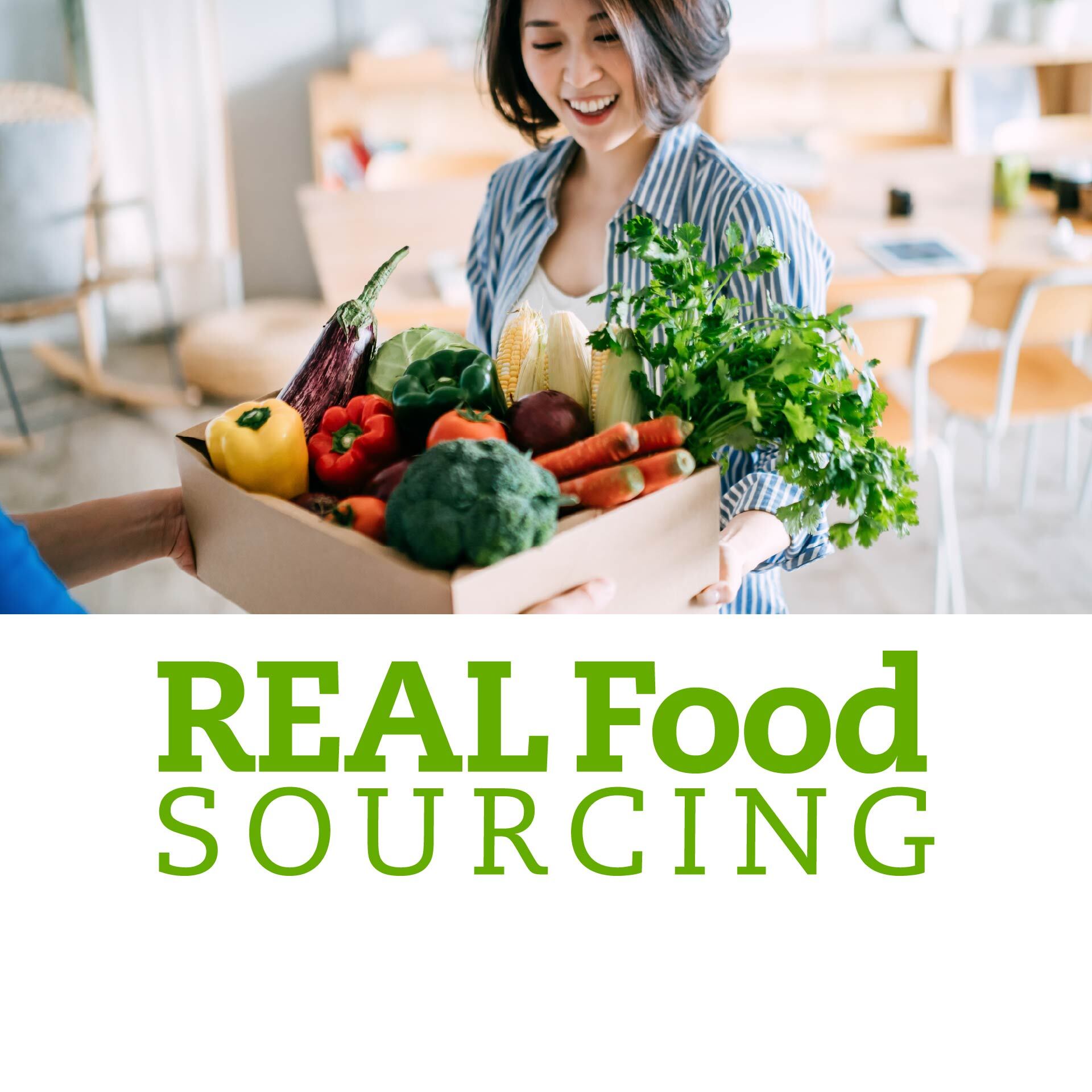
WHERE Your Food Comes From Matters As Much As WHAT You Eat
Most health-conscious people focus on WHAT they eat... overlooking HOW that food was grown. Raised. Processed... BEFORE it reaches their plate.
This blind spot means you’re not getting the nutritional benefits you think you are, and might be introducing hidden toxins that undermine your goals.
Skip 2+ years of trial & error...
Get the answers in an afternoon.