
The REAL Story on Fat
Why Everything You’ve Been Told About Healthy Fats & Seed Oils Misses the Point

Aaron Hartman MD
April 8, 2026
Subscribe
Never miss out on new content from Dr. Hartman.
Fat is one of the most controversial topics in health right now:

Industrialized seed oils are killing you.
Cholesterol’s bad for you … no wait, it’s good for you.
Is there even such thing as a healthy fat?
What’s the deal? Is the controversy real, or just hype?
Honestly, the conversation around fat has become so polarized that most of the explanations out there (even the well-meaning ones) don’t go deep enough. We hear “good fats” and “bad fats” as though fat is simply a matter of picking the right item off a shelf. But the reality is more interesting and important than that.
Most people still don’t know that fat can be more than just healthy. It can be medicine. In my clinic, we’ve been using something called lipid therapy for years to help treat people with neurological issues, traumatic brain injury, and chronic inflammatory response syndrome.
The same substance that gets blamed for disease is something we actively use to heal. That’s a contradiction worth paying attention to. The “good fat vs. bad fat” framing doesn’t resolve it.
So let me walk you through what fat actually does in the body, why certain fats cause harm, and how understanding the structure of fat changes everything … including how we use it as medicine.
The Evidence That Something Is Wrong
Before I get into the deeper science, let’s be clear: there are strong and consistent associations between certain fats and disease. This isn’t speculation.
The “Bad Fats”
Trans fats, oxidized unsaturated fats, and hydrogenated oils are associated with coronary artery disease. Trans fats are your typical industrialized fat, the kind you get in fast food or in anything that’s been boiled or heated improperly. Hydrogenated oils are the fats you tend to get in food products you buy in the store. The hydrogenation process gives them a long shelf life.
“Good Fats” that Go Bad…
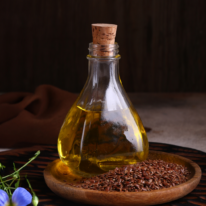
Then there are oxidized polyunsaturated fatty acids. These are healthy fats that get heated up or lay around. If you take a “healthy” omega-3 like flax oil and leave it open to the air for 3–6 days, it’ll oxidize. So if you have a bottle of flax oil that’s half a year old and has been sitting out, it’s not necessarily “healthy” any more. Or sunflower oil that’s processed can get oxidized and made unhealthy again.
These oxidized fats are also associated with high blood pressure and heart disease. One thing I’ll check for in patients is oxidized LDL, which is associated with the buildup of atherosclerosis — thickening of the walls of your arteries. That’s something we can actually test for routinely through a Cleveland Heart Lab panel.
Balancing Your Omegas
Omega-3s are your anti-inflammatory fatty acid. Omega-6s are your pro-inflammatory fatty acid. You need both. When you get an infection or injury, you need an inflammatory response to start the healing process. And then when the healing is done and the infection is gone, you need the omega-3 sources to come block out the inflammation.
Typically our ancient ancestors ate 1:1 – 1:4 ratios of omega-3s and omega-6s in their diet. You need that balance of inflammatory and anti-inflammatory fats. That probably relates to the fact that we had more infections, illnesses, and injuries in our past. So we needed more of the omega-6s versus now. But either way, one-to-one or four-to-one ratio … not a big deal. The current ratio for the average American is 16 to 1. We are four times more inflammatory.
Here’s the one that stops people in their tracks: if your omega-3 level is low, you have an equivalent risk for heart disease as a smoker who has normal omega-3 levels. Literally, having low omega-3 levels gives you a similar risk for heart disease as smoking. That’s pretty profound to think about (and it’s a pretty easy thing to fix).
Disease Associations
Metabolic: obesity, metabolic syndrome, type 2 diabetes, PCOS, non-alcoholic fatty liver disease, high cholesterol, hormone abnormalities, low testosterone, fertility issues

Neurological: Alzheimer’s, Parkinson’s, ADHD, depression, anxiety, autism spectrum disorder
Inflammatory & Immune: rheumatoid arthritis, Hashimoto’s thyroiditis, lupus, chronic inflammatory response syndrome, asthma, COPD, fibromyalgia, chronic pain syndromes, and cancers including prostate, breast, and colorectal
The list is long, and it should make you wonder: what could a single dietary category possibly have in common with all of these conditions?
Why the Simple “Good Fat vs. Bad Fat” Model Breaks Down
The answer starts with something most conversations about fat miss entirely: fats don’t simply pass through the body. They persist and accumulate. When these fats get into our cells, they get stuck, affecting biological processes in ways that go far beyond what you ate for dinner last night.
This shifts the question from what we eat to what those fats become once they’re inside the body.
The Real Story: Fat Is Structure, Not Just Fuel
Most people think of fat as energy. It’s fuel to burn. But it’s more accurate to think of fat as building blocks for your biology. Every cell in your body is made of fats.
The outer wall or membrane of every cell is composed of phospholipids interspersed with cholesterol. These are “lipids” (fats) that give cells their structure, integrity, and ability to communicate with other cells.
Cell Vibration

Phospholipids also help with cell vibration. That’s a concept we’re learning more about: biological organisms vibrate. Just like your heart beats, just like your nervous system sends out signals at a certain frequency, your cells actually vibrate with a certain frequency, in the millions of hertz. And that’s induced by two little layers of fat coming together, creating a vibration that affects every hormone receptor, every cortisol receptor, every insulin receptor. Everything that passes through there is affected by that vibration. So you want healthy cell walls, healthy cell membranes that have adequate vibration with healthy fats.
Your cell membranes, these lipid bilayers, aren’t passive wrappers. They’re active interfaces that regulate signaling and communication across every system in your body. If you change the structure of fats, you change how signals move across membranes. It affects neurotransmitters, hormones, immune signaling, everything that crosses those membranes.
Modifying fats isn’t just a dietary change. It’s a change to cellular structure and function.
Reinterpreting Harm Through Structure
Why are certain fat harmful to your health? The answer has to do with how the structure of fat has been altered.
Plastic Fats

Industrial processing (heat, oxidation, hydrogenation) changes fat structure at the molecular level. One concept I talk to people about is the idea of plasticization. It’s taking an oil (a liquid) and turning it into a solid object. Plastic, for example, comes from crude oil. It used to be liquid at one point in time. Now it’s solid. That’s the exact process we do with making margarine or Crisco. And when you take oils and hydrogenate them, you’ve partially plasticized them. Not enough that you see it, but they are at the molecular level. And that’s ultimately what trans fats are, which is one of the reasons they’re so detrimental to health.
When these structurally altered fats get put into your biological molecules and cell membranes … they don’t vibrate as much. The membrane loses its integrity, its signaling capacity. Receptors don’t function the way they should. Hormones can’t bind properly. Immune cells get recruited to places they shouldn’t be … which is a big deal, particularly in arteries.
Seed Oils
Seed oils are typically healthy oils if done the right way. Things like sunflower oil, safflower oil, flax oil. Unfortunately, we industrialize them by expeller pressing them and deodorizing them with solvents. We actually take healthy fats and turn them into unhealthy fats.
Canola Oil

Canola oil is a perfect case study. It used to be called rapeseed oil. It was actually used as a motor oil in the late 1800s. Eventually, someone realized they could use it for cooking, but it tasted horrible. So they deodorized it with a hexane-type solvent so it didn’t stink anymore. Something that used to be an engine lubricant is now in food products. Engine oils last for a really long time, they’re incredibly stable. That’s great for shelf life. But when they get in our cells, they get stuck there too.
That’s the structural explanation for disease. Not “fat is bad,” but altered fat disrupts how your cells communicate and function.
The Other Side: Fat as Medicine
How can you use healthy fats to heal your brain and body, and to uplevel your health?
We’ve addressed all the bad things with fats. Now I want to talk about some of the deepest medicine I’ve learned in the last 5–10 years: Repairing cell wall membranes, repairing neurons, repairing estrogen and cortisol (which come from cholesterol molecules), fixing neurons and mitochondria.
The Science Is Already There

The concept of fats being used in medicine is not a new idea. Hospitals have used fats for decades. People who get anesthesia toxicity are treated with phosphocholine (a type of phospholipid) to get the toxin from anesthesia out of their brains. There’s even an FDA-approved drug that combines butyrate with a phospholipid to treat ALS. There’s a prescription omega-3 fatty acid called Lovaza used to treat ADHD. The science is there.
So here’s the question for you: If this is all true: can you use fat in a smart way to heal your body? The answer is yes. It’s called lipid membrane medicine. We did it in our house to help heal the brains of our kids, and we use it in the clinic all the time.
How Lipid Membrane Medicine Works in Practice
The basic concept isn’t complicated, but the results can be profound.
First: remove the bad stuff. We all know we should remove the seed oils: canola oil, sunflower oil (unless you 100% know it’s clean-sourced and not expeller pressed). Replace them with healthy fats: extra virgin olive oil (it has to be extra virgin), avocado oil (ideally from Mexico), butter and ghee from grass-fed, grass-finished sources, and coconut oil, which is actually pretty easy to get clean because there’s not really a natural predator for coconuts.
Second: flood the body with healthy fats. The problem is the bad stuff is stuck in your cell membranes. It’s hard to get this stuff out of your body. How do you actually get the bad oil out? How do you do an oil change? Can you do an oil change in your body? The answer is yes. The first thing you want to do is start putting in lots of healthy fats. These are healthy omega-3s, omega-6s, healthy saturated fats. Typically, we’ll actually measure these levels in patients, and many patients are surprised to learn they have deficiencies in healthy saturated fats. In any event, start putting REAL Fats into your system.
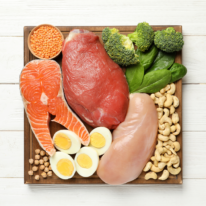
Third: add phospholipids. This is where things get really interesting. The primary source for these in nature is organ meats, egg yolks, and caviar (which is always fun to try to figure out how to get). But phosphatidylcholine (PC) is a great source for these. Usually doing a tablespoon a day of this. Phospholipids actually act like soap on your cell wall membrane. So one of the things you’ll notice is actually changes in your stool for a couple weeks, because you’re literally just washing out all the gunk. It’s actually pretty profound.
Fourth: burn off the bad fats. This is where things like butyrate and TUDCA (tauroursodeoxycholic acid) come in, compounds that have been studied in patients with neurological issues.
Fifth: bind and eliminate. Your body is really good at recycling stuff, so you need to bind the waste so you actually excrete it. Fiber is nature’s binder. Aim for 40 – 60 grams a day. On top of that, you can use activated charcoal, clay, or bile acid sequestrants. The goal is simple: pour healthy fats in, burn off the bad fats, bind the stuff in your gut, and poop it out.
And then there are the everyday dietary shifts that make a huge difference: putting seeds like flax, chia, and sunflower into smoothies; eating more nuts (half a cup a day); adding extra virgin olive oil for its polyphenol content and its ability to support bowel function and reduce inflammation.
What This Changes About the Fat Conversation
Understanding fat structurally reframes the entire conversation. The issue is not “fat vs. no fat.” It’s not even “good fat vs. bad fat” in the way most people mean it. The issue is structure, processing, and balance.

Health outcomes depend on how fats behave within the body — not just what is consumed. A fat that was once healthy can become harmful through processing. A fat that’s been demonized — like saturated fat or cholesterol — might be essential for cellular repair. And the same structural role that allows fats to cause damage is exactly what allows them to be used in healing.
This reframing complicates the simplistic dietary guidance most of us grew up with. It means we can’t just memorize a list of “good” and “bad” fats and call it a day. We have to think about freshness, sourcing, processing methods, and the balance of fats already present in our bodies.
The good news is this is something you can actually do something about. You can test your omega-3 and omega-6 levels. You can remove industrialized fats from your kitchen. You can start putting healthy fats into your system and support your body in clearing out the ones that don’t belong. I’ve seen patients have profound changes in their health from this alone — particularly when adding phospholipids like phosphatidylcholine.
Don’t be afraid of butter and ghee. Don’t be afraid of organ meat. Don’t be afraid of fatty fish like salmon. These are the building blocks your cells are made of, and your body knows what to do with them.
Your Next Step: Know Where to Find the Good Stuff

If this changes how you think about fat, the next challenge is knowing where to actually find it. Knowing you need healthy omega-3s, clean saturated fats, and grass-fed butter doesn’t help much if you’re standing in a grocery aisle full of misleading labels.
That’s why I created the REAL Food Sourcing Guide, a 27-page guide with the same food sourcing principles and specific brand recommendations I share with my patients. It cuts through the marketing and tells you exactly which fats, oils, animal products, and produce are worth your money, and which ones aren’t.
Download it today and you’ll also get instant access to my REAL Food Diaries micro-course, a 7-video series that includes a dedicated session on why natural fats are essential for hormone and brain health.
Both resources are free.
Get Your Free REAL Food Sourcing Guide + REAL Food Diaries →