Women’s Health
WOMEN’S HEALTH
Told it is stress, age, or just your hormones? You deserve a real answer.
Fatigue, weight that will not move, mood swings, brittle sleep, cycles that changed, a libido that disappeared. Too often these get waved off. They are real, they are usually driven by shifts you can measure, and perimenopause in particular deserves far more than a shrug.

Start here
Start with why women’s symptoms get missed so often, and what actually drives the changes of perimenopause and beyond. This is the version that takes your experience seriously and looks upstream for the cause.

Your Hormones After 40: The Changes No One Talks About (But Should)
Understand the hidden hormonal shifts affecting your brain, metabolism, and energy—plus science-backed solutions to help you thrive...
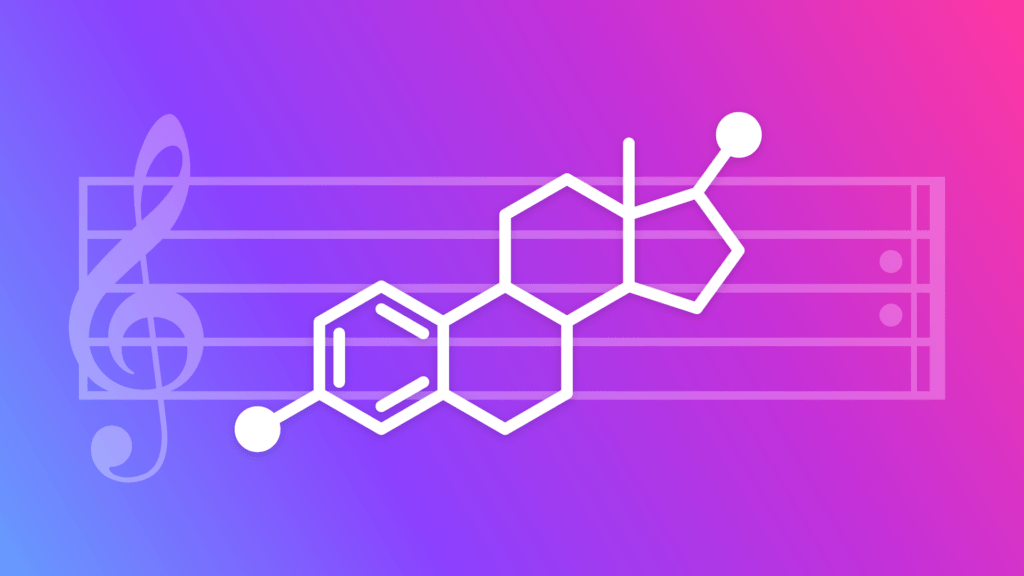
Estrogen: The Younger Sister
There are over 400 critical functions in the body involving estrogen! We need estrogen and tend to...
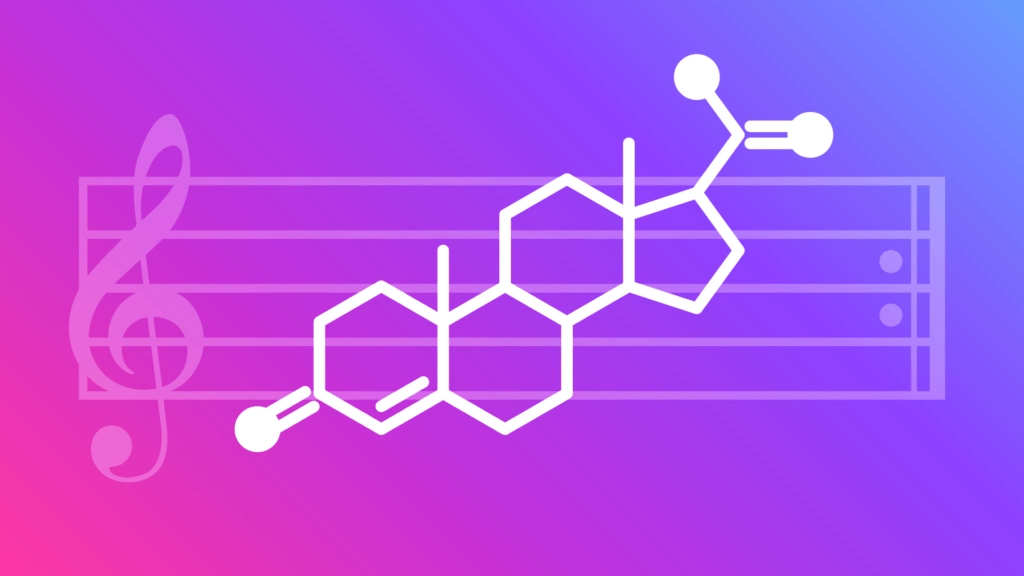
Progesterone: The Elder Sister
When I began studying medicine in 1996, I was told that after a woman had a hysterectomy…

Low Testosterone Symptoms in Women
Discover the hidden signs of low testosterone in women, and science-backed natural solutions to restore balance and...

PCOS (now PMOS) in Young Women
Discover why PCOS cases have increased by 67% in young women and the functional medicine approach that...
Why women’s symptoms get missed
Women’s physiology runs on a monthly rhythm and moves through major transitions, yet most medical research and lab reference ranges were built on men. So women’s symptoms get flattened into stress, anxiety, or normal aging, and the perimenopausal years, which can start a decade before menopause, get almost no attention.
The functional view treats these symptoms as signals rather than complaints. It follows the same hormone hierarchy that governs everyone, cortisol and insulin and thyroid first, then the sex hormones, but maps it to where a woman actually is in her life stage. Perimenopause is a transition, and it responds to being understood and supported rather than simply endured.
Symptoms patients bring us
- Fatigue
- Weight changes
- Mood swings or anxiety
- Poor sleep
- Irregular or changing cycles
- Low libido
- Brain fog
- Hot flashes or temperature shifts
Estrogen is involved in over 400 critical functions in the body. That is why a shift in one hormone can show up as fatigue, mood, sleep, and cognition all at once, and why it so rarely looks like a hormone problem from the outside.
Everything else on women’s health
Browse our library of articles on women’s health and everything connected to it.