

Subscribe
Never miss out on new content from Dr. Hartman.
Every spring, the same question comes up in my clinic:
“How much sun should I actually be getting?”
It’s a fair question (and a confusing one).

For decades, the message from mainstream medicine has been simple: avoid the sun, wear sunscreen every time you step outside, and take a supplement if you’re low on vitamin D. But that advice, while well-intentioned, has created what researchers are now calling a genuine public health problem.
We’re in the middle of a vitamin D deficiency epidemic. Roughly half the world’s population has insufficient vitamin D levels. And growing research suggests that our sun-avoidance culture is actually contributing to disease rather than preventing it.
Here’s the tension I navigate as a functional medicine physician: the sun is both essential and potentially harmful. The difference comes down to how you use it. Too much causes damage. Too little robs your body of a hormone it literally can’t function without.
The sun is both essential and potentially harmful. The difference comes down to how you use it
So let me walk you through what the science actually says about how much sun exposure you need for vitamin D, along with the approach I use with my own family that balances the benefits with the real risks.
Why Vitamin D From Sunlight Matters More Than You Think
Before we get into the how-much question, it’s worth understanding why this matters so much. Vitamin D isn’t just another nutrient on a label.
What is Vitamin D?
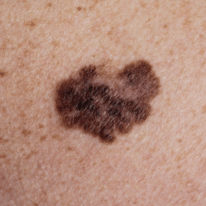
Vitamin D is technically a hormone your body produces when UVB rays hit your skin. It plays a role in virtually every system in your body. Adequate vitamin D levels are associated with reduced risk of skin cancers (including melanoma), prostate and colon cancers, heart disease, Alzheimer’s, autoimmune conditions, metabolic syndrome, and chronic inflammation. It was also identified as one of the single biggest nutritional factors influencing severe COVID outcomes.
How Much Vitamin D is Optimal?
In my own clinical practice, I recommend patients maintain optimal vitamin D levels between 60–80 ng/mL. That’s significantly higher than the conventional “sufficient” threshold of 30 ng/mL. I’ve seen what happens when we correct deficiencies in patients who’ve been struggling for years. Energy improves. Immune function stabilizes. Mood lifts. It’s one of the most impactful, low-cost interventions in functional medicine.
And here’s the part most people miss: your skin produces vitamin D far more efficiently than any supplement can deliver it. When you expose a significant portion of your skin to the sun, your body can generate roughly 10,000 – 20,000 IU of vitamin D in a single session. Better yet, it self-regulates, so you can’t overdose from sun exposure alone. You simply can’t replicate that with a pill.
Go Deeper: If You Only Take One Supplement, It Should Be Vitamin D!
The Sunscreen Paradox: Are We Creating the Problem We’re Trying to Solve?
This is where things get uncomfortable.
Sunscreen with an SPF of 8 or higher blocks the UVB rays your skin needs to produce vitamin D. If you’re applying sunscreen every morning before stepping outside (as most dermatological guidelines recommend), you’re effectively shutting down your body’s vitamin D factory.

The result? We’ve become a society that avoids the sun, works indoors, and slathers on chemicals that prevent the one thing our skin is designed to do in sunlight. And then we wonder why vitamin D deficiency is an epidemic.
I want to be clear: I’m not anti-sunscreen.
Skin cancer is the most common cancer in the United States, and melanoma is a serious concern. Research from the American Cancer Society estimates that the vast majority of melanoma cases are attributable to UV radiation exposure. Protecting your skin matters.
But here’s the nuance that gets lost in the “avoid all sun” messaging: vitamin D deficiency itself increases your risk for multiple cancers (including melanoma … ironically). Some researchers have argued that insufficient sun exposure may contribute to hundreds of thousands of deaths annually in the United States through increased risks of cardiovascular disease, certain cancers, and metabolic conditions.
So the question isn’t really sun versus no sun. It’s about how to get the benefits of sun exposure while genuinely minimizing the risks. That’s where a more thoughtful approach comes in.
How Much Sun Exposure Do You Actually Need? (By Skin Type and Season)
The short answer: less than you probably think in summer, and more than you can easily get in winter.
A key concept to understand here is the Minimal Erythema Dose (MED), the amount of sun exposure it takes for your skin to just barely begin turning pink. Research shows that exposing roughly 35% of your body surface area (think shorts and a t-shirt) to UVB light until you approach your MED produces a substantial amount of vitamin D.
Here’s what the current research suggests for vitamin D production based on skin type:
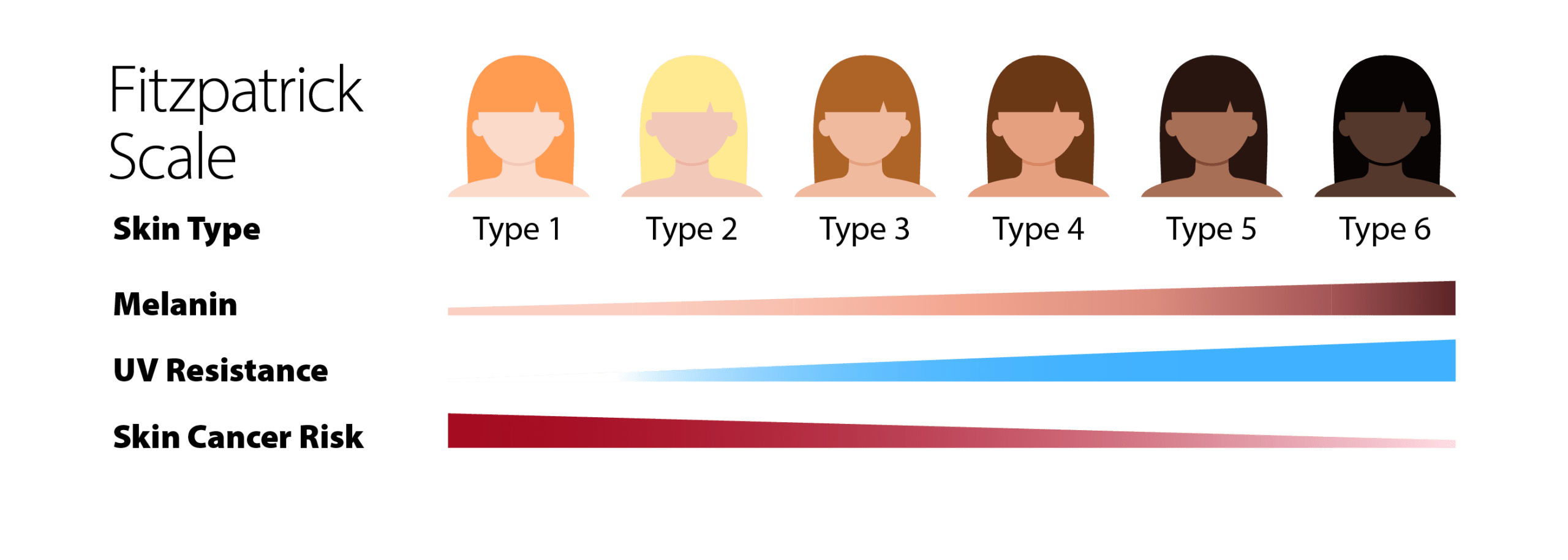
Fair Skin (Fitzpatrick Types I–II)
In summer, 5 – 15 minutes of midday sun exposure on arms and legs, 3 – 4 times per week, is generally sufficient to maintain healthy vitamin D levels. In Richmond, Virginia, where my practice is located, this window runs roughly from March through October.
Medium Skin (Fitzpatrick Types III–IV)
You’ll typically need 10 – 25 minutes under the same conditions, as higher melanin levels naturally slow UVB absorption.
Dark Skin (Fitzpatrick Types V–VI)
This is where the challenge intensifies. Darker skin may require 25 – 40+ minutes of midday sun exposure to produce equivalent vitamin D levels. This is a significant health equity issue. People with deeply pigmented skin face minimal skin cancer risk but substantially higher vitamin D deficiency risk.
The Winter Problem

At latitudes above 35°N (Richmond sits at about 37.5°N), UVB radiation drops dramatically from November through February. During these months, your skin simply cannot produce meaningful vitamin D regardless of how long you’re outside. This is when oral supplementation becomes essential. I typically recommend 2,000 – 5,000 IU of vitamin D3 daily, taken with vitamin K2 for optimal calcium utilization.
Important: These are general guidelines. Your individual needs depend on your baseline vitamin D levels, body composition, age, and health status. Test, don’t guess. I recommend checking your 25(OH)D levels at least annually.
Graded Sun Exposure: How My Family Does It

This is the approach I use with my own family, and it’s what I recommend to patients who ask me how to get vitamin D from sunlight safely. I call it graded sun exposure, and it’s exactly what it sounds like.
The Principle
Rather than going from zero sun all winter to a full day at the beach in June (hello, sunburn), you gradually increase your exposure over weeks, allowing your skin to adapt. Your skin builds melanin, its natural protection, in response to moderate, consistent UV exposure. This is how humans lived for thousands of years before we started spending 90% of our time indoors.
How It Works in Practice
Early season (March–April in Virginia): Start with just 10 – 15 minutes of sun on your arms and legs during midday. No sunscreen during this window. After your exposure time, cover up with lightweight clothing or move into the shade.

Mid-season (May–June): As your skin builds a base tan, gradually extend your unprotected exposure to 15 – 25 minutes, depending on your skin type and the UV index that day.
Peak season (July–August): Your adapted skin can typically handle 20 – 30 minutes of direct sun before approaching the MED. After that, it’s protective clothing, shade, or sunscreen for the remainder of your time outside.
Year-round: I always protect the face, ears, and back of the hands with either sunscreen or a hat. These are high-risk areas for cumulative UV damage and contribute relatively little to vitamin D production anyway. Focus your sun exposure on your torso, arms, and legs. They provide much more skin surface area.
The Key Rules
Never burn. A sunburn isn’t just painful. It causes DNA damage and significantly increases skin cancer risk. The entire point of graded exposure is to get benefits without burning.

Watch the UV index. When the UV index is 3 or above, you’re getting meaningful UVB exposure. When it’s above 8, even adapted skin can burn quickly. I have my patients check the EPA’s UV index by zip code before planning their sun time.
Timing matters. Midday sun (roughly 10 AM to 2 PM) provides the most efficient UVB exposure. This is actually safer for vitamin D production in one sense: you need less time in the sun to produce the same amount of vitamin D, which means less total UV exposure overall.
Cover up after your dose. Once you’ve gotten your 10 – 30 minutes (depending on your skin type and the season), use lightweight long sleeves, a wide-brimmed hat, and shade. Save the chemical sunscreen for the areas you can’t easily cover.
Beyond Vitamin D: The Other Benefits of Sunlight
Here’s something that surprised me when I first dug into the research, and it’s an area where the science has advanced significantly in recent years.
Sun exposure triggers benefits that go beyond vitamin D production. Emerging evidence suggests that UVB exposure stimulates:

Nitric oxide release. Sunlight triggers the release of nitric oxide from the skin, which helps reduce blood pressure and support cardiovascular health. This mechanism is independent of vitamin D and may help explain why cardiovascular disease rates are higher in populations with less sun exposure.
Immune modulation. Controlled UV exposure appears to help regulate the immune system, potentially reducing the risk of autoimmune conditions and enhancing innate immunity through the production of antimicrobial peptides.
Mood and circadian regulation. Beyond the well-known serotonin boost, morning and midday sunlight exposure helps calibrate your circadian rhythm, improving sleep quality and overall hormonal balance.
Mitochondrial function. Emerging research suggests vitamin D supports your mitochondria, the energy-producing powerhouses in every cell. This may help explain why patients with low vitamin D so often report fatigue and brain fog that improves once levels are optimized.
Menopausal health. For women in or approaching menopause, vitamin D plays a particularly important role in maintaining bone density, supporting cardiovascular health, and easing some of the hormonal shifts that come with this transition.
These benefits are part of why I believe a vitamin D supplement, while important, is not a complete substitute for actual sun exposure. The sun triggers a cascade of biological responses in your skin and body that we’re only beginning to fully understand.
Go Deeper: The Latest Vitamin D Research: Why This “Sunshine Supplement” Still Rules
Choosing the Right Sunscreen (When You Need It)

Once you’ve gotten your daily vitamin D dose through graded exposure, sun protection becomes important, especially during extended outdoor time. But not all sunscreens are created equal, and this matters more than most people realize.
I recommend my patients look for mineral-based sunscreens containing zinc oxide or titanium dioxide. These sit on top of the skin and physically block UV rays rather than being absorbed into the body. Many chemical sunscreens contain ingredients like oxybenzone and octinoxate that are absorbed through the skin and have raised concerns about endocrine disruption.
A few practical guidelines:
Choose SPF 30 – 50. Anything higher provides minimal additional protection and often gives a false sense of security. Reapply every two hours during extended exposure. Use protective clothing as your first line of defense. UPF-rated shirts, wide-brimmed hats, and sunglasses are more reliable and consistent than any cream. And remember: sunscreen is your backup plan, not your primary strategy.
Go Deeper: How to Choose the Right Sunscreen According to a Functional Medicine Doctor
The Bottom Line
The sun isn’t the villain it’s been made out to be, but it’s not something to take lightly, either. The research is increasingly clear: both too much and too little sun exposure carry real health risks, and the sweet spot is narrower than most people think.
What I’ve seen in over 25 years of clinical practice is that patients who take an intentional, graded approach to sun exposure, combined with strategic supplementation and regular testing, consistently achieve better vitamin D levels and better health outcomes than those who either avoid the sun completely or ignore the risks.
You were made for health. And part of that means working with your body’s remarkable design, including its ability to transform sunlight into one of the most powerful hormones in your system.
References
- Elliott TM, Gordon LG, Webb A, et al. “Making the Sunshine Vitamin: How Much Sun Exposure Is Needed to Maintain 25-Hydroxy Vitamin D Concentration?” Photochemistry and Photobiology, 2023. PubMed
- Alfredsson L, Armstrong BK, Butterfield DA, et al. “Insufficient Sun Exposure Has Become a Real Public Health Problem.” International Journal of Environmental Research and Public Health, 2020. PubMed
- Hawk JLM. “Safe, Mild Ultraviolet-B Exposure: An Essential Human Requirement for Vitamin D and Other Vital Bodily Parameter Adequacy.” Photodermatology, Photoimmunology & Photomedicine, 2020. PubMed
- American Cancer Society. Cancer Prevention and Early Detection Facts & Figures 2025–2026. 2025. PDF
- Pellacani G, Lim HW, Stockfleth E, et al. “Photoprotection: Current Developments and Controversies.” Journal of the European Academy of Dermatology and Venereology, 2024. PubMed
- Neale RE, Beedle V, Ebeling PR, et al. “Balancing the Risks and Benefits of Sun Exposure: A Revised Position Statement for Australian Adults.” Australian and New Zealand Journal of Public Health, 2024. PubMed
- Lucas RM, Neale RE, Madronich S, McKenzie RL. “Are Current Guidelines for Sun Protection Optimal for Health?” Photochemical & Photobiological Sciences, 2018. PubMed

WHERE Your Food Comes From Matters As Much As WHAT You Eat
Most health-conscious people focus on WHAT they eat... overlooking HOW that food was grown. Raised. Processed... BEFORE it reaches their plate.
This blind spot means you’re not getting the nutritional benefits you think you are, and might be introducing hidden toxins that undermine your goals.
Skip 2+ years of trial & error...
Get the answers in an afternoon.