
The 3 Types of Stress
Why Physical, Emotional, and Biochemical Stress Can Block Healing
Aaron Hartman MD
January 7, 2026

Subscribe
Never miss out on new content from Dr. Hartman.
If you’re constantly tired (even after a full night’s sleep)…
If you’ve plateaued in your healing and recovery…
There’s a good chance stress is playing a bigger role than you realize.
And not just “feeling stressed.”
Your biology internalizes stress or trauma in several ways. In my experience, it’s helpful to think of three types of stress: physical, emotional, and biochemical.
The challenge is that many people are trying to fix the wrong one.
Stress Is Load
Most people think of stress as one thing. They picture deadlines, anxiety, overwhelm, or feeling mentally exhausted. While that is part of the picture, it’s rarely the most important part when it comes to healing.
In medicine, especially when we are dealing with chronic symptoms, stalled recovery, or people who feel like they are “doing everything right” but not improving, stress has a different meaning:
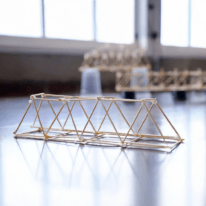 Stress is not just a feeling. It is load.
Did you ever build toothpick bridges in school? The part we all remember is adding weights to see how much the bridge can hold before it breaks.
That’s stress as load.
Anything that adds friction, demand, or instability to the body’s systems counts as stress, whether you are consciously aware of it or not. When that load is not named correctly, healing often stalls.
In UnCURABLE, I describe this as one of the most common reasons people get stuck. They’re working hard, but they are working on the wrong thing.
Over time, I’ve found it helpful to think about stress loads in three broad categories:

These aren’t psychological labels. They are physiological realities. And most people are carrying more weight in one category than they realize.
Physical Stress: When the Body Is Overloaded
Physical stress is often the easiest to overlook because it has been normalized.


It includes things like:
- Blood sugar instability
- Chronic pain or inflammation
- Poor or fragmented sleep
- Over-exercising or under-recovering
- A heavily processed diet
- Nutrient deficiencies that quietly accumulate
You can feel mentally calm and emotionally steady, yet still be under significant physical stress.
I see this frequently with patients who tell me, “I’m not really stressed,” while their bodies tell a different story. Sleep is not restorative. Energy crashes mid-day. Digestion has been off for so long it feels normal.
I had a conversation with nutritionist and therapeutic chef Shelly Rose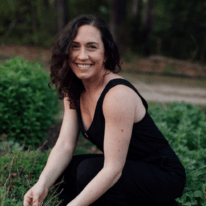 that illustrates this well. For years, she dealt with chronic migraines and digestive symptoms that were treated as separate problems. At one point, surgery was even discussed. What ultimately made the difference was not more discipline or a more aggressive plan. It was reducing the physical stress her body had adapted to for decades, starting with a highly processed diet she had grown up with. Once that load was lowered, symptoms that had felt permanent began to change.
Physical stress does not respond to motivation.
It responds to reduced demand and better recovery.
Emotional Stress: When Life Becomes the Stressor
Emotional stress is often misunderstood, and sometimes minimized. This is especially true for people who are capable, resilient, and used to carrying a lot.




This category includes:
- Caregiving strain
- Unpredictable or volatile relationships
- Financial pressure
- Chronic uncertainty
- The emotional burden of long-term illness
- Grief or unresolved conflict
Emotional stress is not weakness. It is the body adapting to ongoing demand.
In UnCURABLE, I explain that the nervous system’s first job is protection, not healing. When emotional stress is persistent, the body stays on alert. This can happen even when nothing dramatic is happening in the moment.
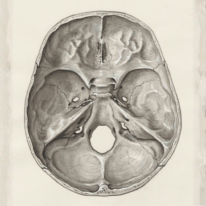 I was reminded of this again in conversations with Lisa Tamani. While caring for her mother after a severe stroke, and later during treatment for brain lymphoma, the stress was not panic or fear in the usual sense. It was constant vigilance. Advocating for care. Monitoring details. Making decisions without rest. Over time, that vigilance becomes physiological.
If this resonates, I have written more about it in When Trauma Blocks Healing, which explores how unresolved stress patterns can keep the nervous system in a protective state long after the original threat has passed.
Biochemical Stress: The Hidden Internal Load
Biochemical stress is often the hardest to see. It can also be the most disruptive.



It may include:
- Environmental toxins
- Mold exposure
- Chronic or unresolved infections
- Food sensitivities
- Hormone imbalances
- Gut infections or dysbiosis
- Mitochondrial dysfunction
This type of stress does not announce itself clearly. Lab work can be confusing. Symptoms may fluctuate. People often describe their bodies as unpredictable or overly reactive.
 In UnCURABLE, I write about how biochemical stress can quietly overwhelm the system, especially when it is layered on top of physical or emotional stress.
I think of Dr. Jill Carnahan here. She was diagnosed with breast cancer in her twenties, while also dealing with Crohn’s disease. At the time, she was told that diet and environmental factors had nothing to do with either condition. It was only later, when she identified significant toxin exposure and mold illness, that her health began to change. Until that biochemical stress was addressed, nothing else moved.
Biochemical stress is often invisible.
But it carries real weight.
How These Stress Types Interact
 These categories do not exist in isolation. Physical stress can increase emotional reactivity. Emotional stress can worsen inflammation and immune signaling. Biochemical stress can disrupt sleep, mood, and energy.
This interaction is why I often reference what’s sometimes called the PNIE model, or psychoneuroimmunoendocrinology (try to say that 5 times fast). It’s simply a way of describing how the nervous system, immune system, hormones, and gut are in constant communication.
Most people are not overloaded in every category. They are overloaded in one dominant way, and it spills into the others.
Naming that matters.
Which Type of Stress Is Carrying the Most Weight Right Now?
You do not need perfect insight here. Patterns are enough.
Read through the lists below and notice which one feels most familiar. You do not need to match every item.
Physical stress often looks like:
- Energy crashes between meals
- Pain or stiffness that does not match activity
- Feeling wired but tired
- Poor recovery from exercise
- Sleep that does not feel restorative
- Digestive symptoms you have learned to tolerate
Emotional stress often looks like:
- Constant vigilance or reactivity
- Difficulty relaxing even when life is calm
- Feeling overwhelmed by small demands
- Caregiving strain or emotional unpredictability
- A sense of always bracing
- Plateauing despite doing the “right” things
Biochemical stress often looks like:
- Symptoms that fluctuate without clear triggers
- Strong reactions to foods, supplements, or environments
- Chronic inflammation or immune issues
- A history of mold, Lyme, or toxin exposure
- Hormone patterns that do not stabilize
- Limited progress despite significant effort
If one category stood out, that is not a diagnosis.
But it is a starting point.
Most people don’t need to fix everything at once. They need to reduce the heaviest load first.
First Steps That Actually Help
 This is not about doing more. It is about doing less, strategically.
For physical stress, that might mean:
- One whole-food swap
- A clearer sleep boundary
- Gentler, more consistent movement
For emotional stress:
- Short somatic resets
- Breathwork or grounding
- Clearer boundaries or relational support

For biochemical stress:
- Reducing obvious toxin exposure
- Supporting detox pathways
- Considering targeted testing when appropriate
If emotional or trauma-driven stress feels dominant, the trauma-focused article mentioned earlier goes deeper into nervous-system tools that help the body shift out of survival mode.
You Are Not “Too Stuck to Heal”

Your body is made to self-heal and repair. Your cells, tissues, organs, systems, can heal and repair. But you can get stuck. That’s also normal. But if you’ve plateaued in your healing journey. If you feel stuck (or worse, internalize that as “failing” to heal) … there is hope.
Oftentimes, patients are carrying stress that hasn’t yet been named.
And understanding which type of stress is blocking your healing is often the turning point.
Where is Your Energy Going?
Fatigue is rarely about willpower.
In many people, energy is being diverted by underlying stress patterns in the body: physical, emotional, or biochemical.
Dr. Hartman created a short assessment to help identify which pattern may be affecting your energy right now.
Free • Personalized Insight
Still Trying to Figure Out Why You’re So Tired?
Fatigue isn’t always about sleep, diet, or willpower.
Often it’s about where your body is diverting energy under stress.
Take this short quiz to see which stress pattern may be affecting your energy most.