
Medical Misinformation | Part 1
Top 10 Myths About Cancer

Aaron Hartman MD
April 22, 2024

Subscribe
Never miss out on new content from Dr. Hartman.
We’re all affected by cancer — directly or indirectly. But why is it so prevalent these days? And what can we do about it?
We can begin by discerning fact from fiction. I’d like to address some of the common myths I regularly hear and discuss some more recent findings about cancer.
Cancer Myths
Summary
Ultimately, cancer is a metabolic dysregulation. To prevent this loss of regulation, we have to go back to the root cause. In our clinic, we work with patients to prevent cancer, as well as with those who have been diagnosed to better understand the root cause and help prevent a recurrence.
In 1900, 1 out of 100 people got cancer. Let’s work toward getting back to those kinds of numbers.
If you’d like to learn more as you progress on your health journey, I’d suggest starting with the recommended reading list on our website. Our goal is to provide you with the best information we can to help you on your path forward to wellness and live the best life you can live.
Further Reading
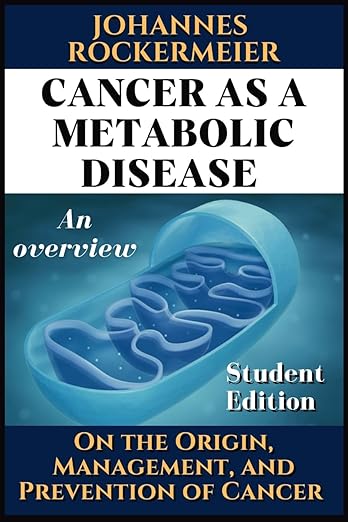
Cancer as a Metabolic Disease
Dr. Thomas Seyfried
Cancer is not genetic—it's a metabolic disease caused by the breakdown of your cells' ability to produce energy in the mitochondria. This breakdown weakens DNA, causing it to uncouple and fracture. When it reforms, the result is dysfunctional DNA that can lead to cancer. This cellular process has been misinterpreted since Watson and Crick's discovery of the double helix. However, the metabolic understanding of cancer actually dates back to the 1920s. Despite nearly 100 years of research in this field, we remain stuck in the outdated paradigm that genes cause cancer—a claim that simply isn't true. In this book, leading metabolic cancer researcher Dr. Seyfried explains cancer as a metabolic disease. He examines its causes, including nutritional deficiencies, chemicals, toxins, and chronic infections—factors we've known about for decades but can now understand through the lens of metabolic dysfunction. When you understand how cancer starts, you're equipped to prevent or even treat it. This breakthrough information is already being applied successfully around the world.
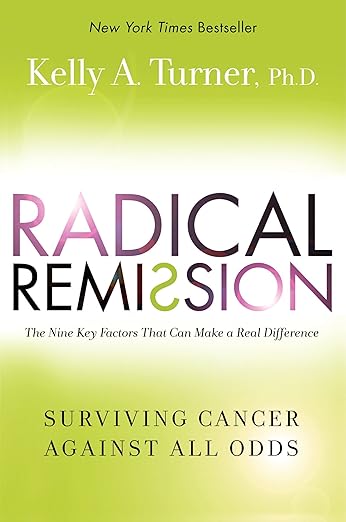
Radical Remission
Surviving Cancer Against All Odds
Kelly Turner
Does cancer ever just go away on its own? The answer is yes—that's called spontaneous remission. There have been over a thousand cases documented in medical literature, yet no one before Dr. Turner had decided to investigate this phenomenon. What she discovered is surprising. One day while working at a clinic counseling patients with depression and mood disorders related to their cancer diagnosis, a happy patient told her, "The cancer is gone." When she reported this to the lead oncologist, they showed little interest and dismissed it. That response became her motivation to write this book. If you've ever wondered what the top nine factors are that patients who've experienced spontaneous remission or radical remission have in common, this book is for you. If you know anyone who has cancer or you're looking to prevent it, this book also provides valuable insights into the topic.
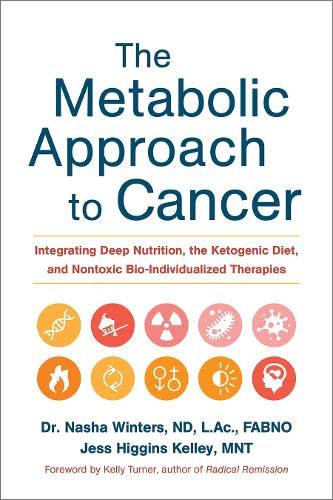
The Metabolic Approach to Cancer
Integrating Deep Nutrition, the Ketogenic Diet, and Nontoxic Bio-Individualized Therapies
Dr. Nasha Winters ND, FABNO, LAc, Diplom and Jess Higgins Kelley MNT
“Since the beginning of the 20th century, cancer rates have increased exponentially - now affecting almost 50 percent of the American population. Conventional treatment continues to rely on chemotherapy, surgery, and radiation to attack cancer cells. Yet research has repeatedly shown that 95 percent of cancer cases are directly linked to diet and lifestyle. The Metabolic Approach to Cancer is the audiobook we have been waiting for - it offers an innovative, metabolic-focused nutrition protocol that actually works. Naturopathic integrative oncologist and cancer survivor Dr. Nasha Winters and nutrition therapist Jess Higgins Kelley have identified the 10 key elements of a person’s “terrain” (think of it as a topographical map of our body) that are crucial to preventing and managing cancer. Each of the terrain has 10 elements - including epigenetics, the microbiome, the immune system, toxin exposures, and blood-sugar balance - is illuminated as it relates to the cancer process, then given a heavily researched and tested, nontoxic and metabolic, focused nutrition prescription. The metabolic theory of cancer - that cancer is fueled by high-carbohydrate diets, not “bad” genetics - was introduced by Nobel Prize-laureate and scientist Otto Warburg in 1931. It has been largely disregarded by conventional oncology ever since. But this theory is resurging as a result of research showing incredible clinical outcomes when cancer cells are deprived of their primary fuel source (glucose).” Publisher’s Summary

Take Back The Outdoors
Get the relief you need:
- Blocks 96% of histamine release BEFORE symptoms start
- Works within 14 days (critical for beating peak pollen season)
- Includes the exact formulation that delivered results in clinical studies
- Has helped 12,549 allergy sufferers enjoy spring without medications
Don’t wait until you’re already sneezing. The prevention window is closing.
10% discount through Fullscript. First-time buyers save an additional 15%.
WAIT: Skip the Reading & Get the 96% Allergy Solution Now
No time to read? I get it: You don’t need another article—you need relief.
Let me take you directly to my protocol that:
- Blocks 96% of histamine release BEFORE symptoms start
- Works within 14 days (critical for beating peak pollen season)
- Includes the exact formulation that delivered results in clinical studies
- Has helped 12,549 allergy sufferers enjoy spring without medications
Don’t wait until you’re already sneezing—the prevention window is closing.
10% discount through Fullscript. First-time buyers save an additional 15%.